Essential Tips for Seniors Planning a Smooth Home Transition
Essential Tips for Seniors Planning a Smooth Home Transition
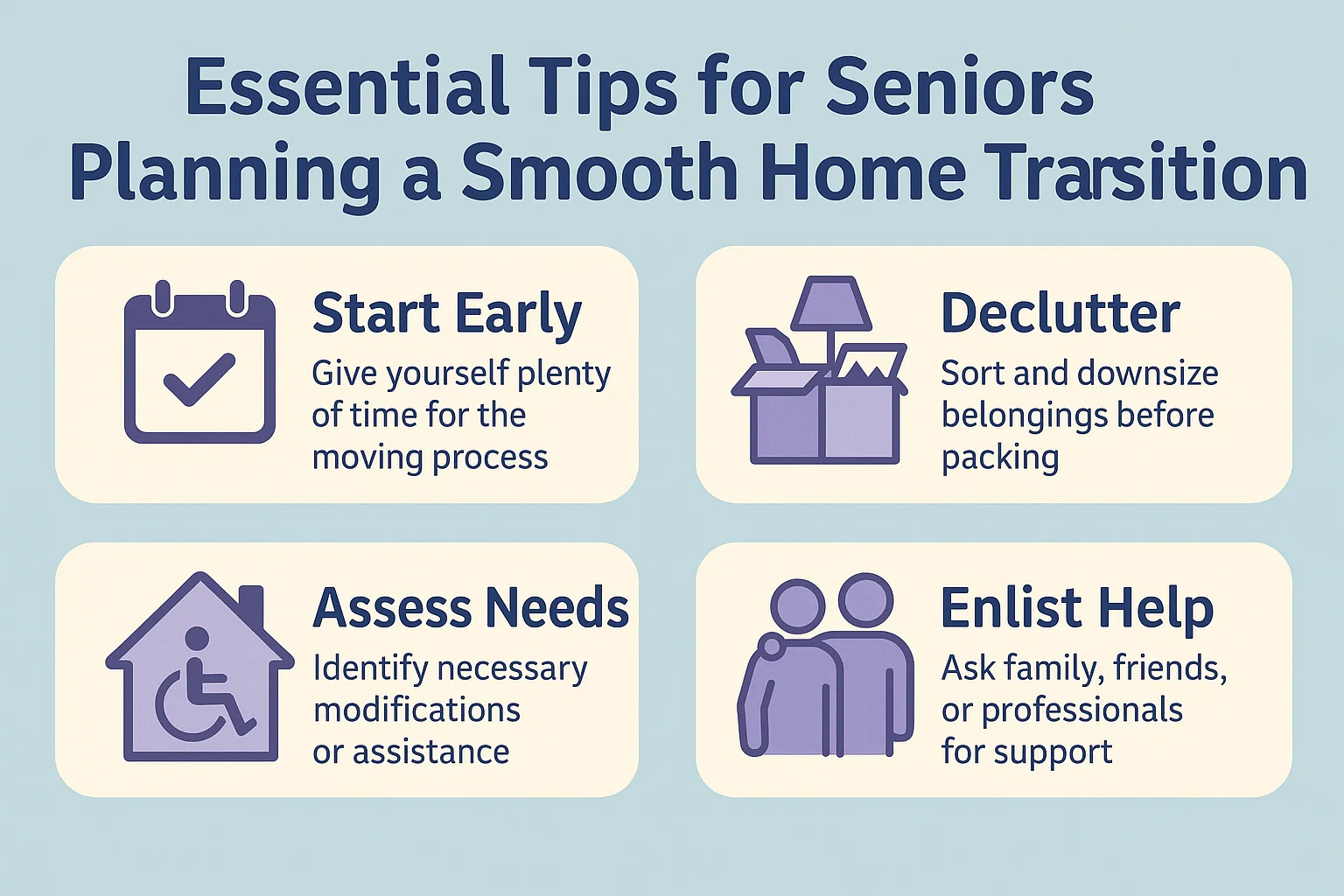
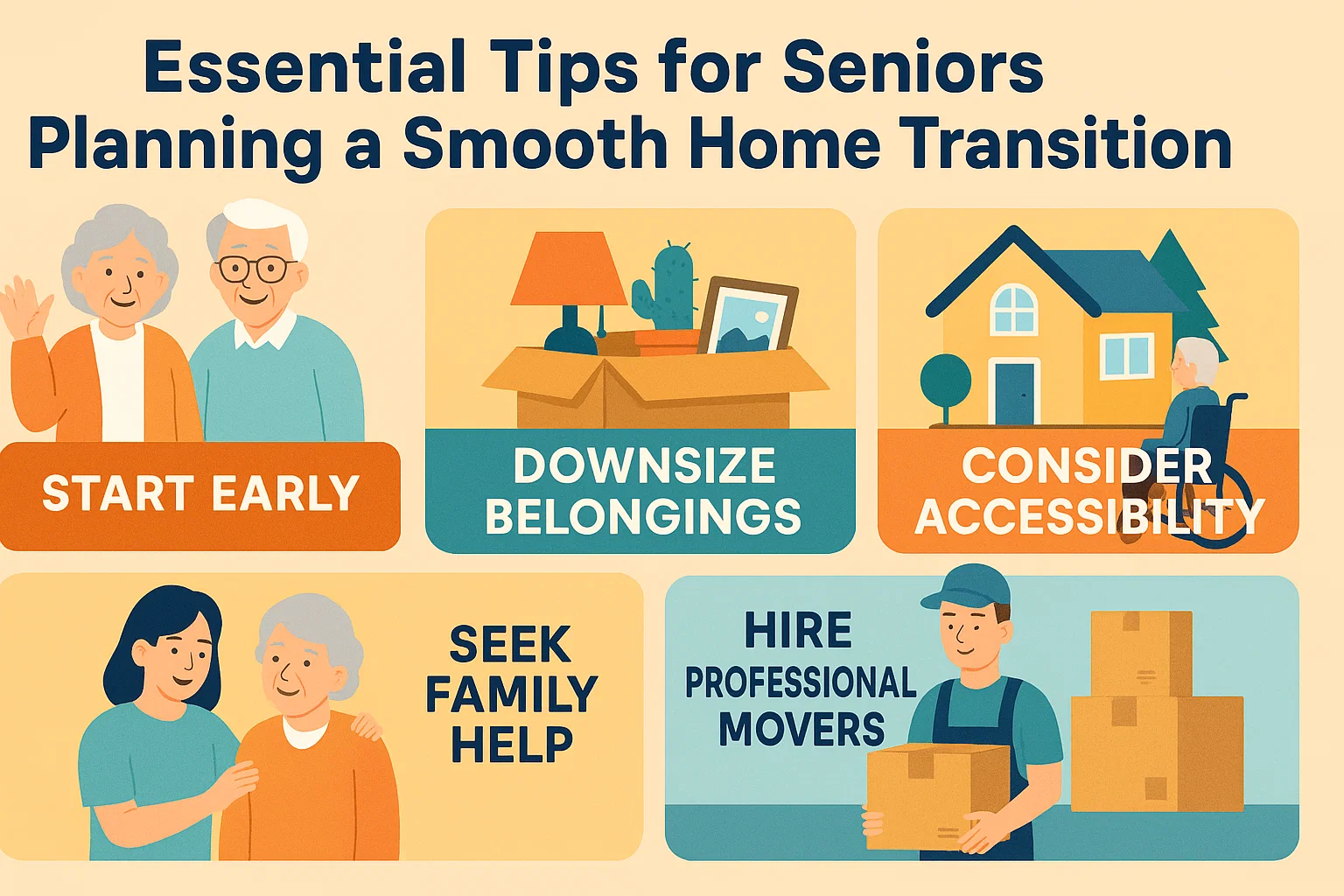
Seniors continue to play a vital role in the real estate market, exploring housing options ranging from single-family homes to spacious multi-generational properties. Whether downsizing or accommodating family needs, older homebuyers often face unique challenges during a move. Below are practical strategies to streamline the process for seniors—or for relatives assisting them.
1. Research Transportation Options in Advance
- If you depend on public transit or paratransit services, verify availability at your new location.
- Apply early for local transportation programs to avoid disruptions after your move.
2. Organize Medical Records for Seamless Care
- Request medical release forms to transfer records to new healthcare providers.
- Schedule new-patient appointments ahead of time to ensure continuity of care.
3. Review Medicare and Insurance Coverage
- Contact private insurers to confirm coverage compatibility in your new area.
- Medigap, Medicare Advantage, and prescription plans may have location-based restrictions.
- Note: Moving may qualify as a “special circumstance,” allowing enrollment in new plans outside Open Enrollment. Always consult a licensed broker to avoid fraud.
4. Stay Connected with Loved Ones
Relocating can stir mixed emotions, but technology offers countless ways to maintain relationships. Collect contact details for friends, family, and community groups before moving. Video calls, social media, and messaging apps can bridge the distance and ease the transition.
5. Prioritize Accessibility and Safety
- Evaluate your new home’s layout for ease of navigation and fall risks.
- Consider installing grab bars, ramps, or non-slip flooring if needed.
By addressing these key areas, seniors can reduce stress and enjoy a fresh start in their new home!