Safeguarding Your Home and Memories: A Comprehensive Guide to Insurance
Safeguarding Your Home and Memories: A Comprehensive Guide to Insurance
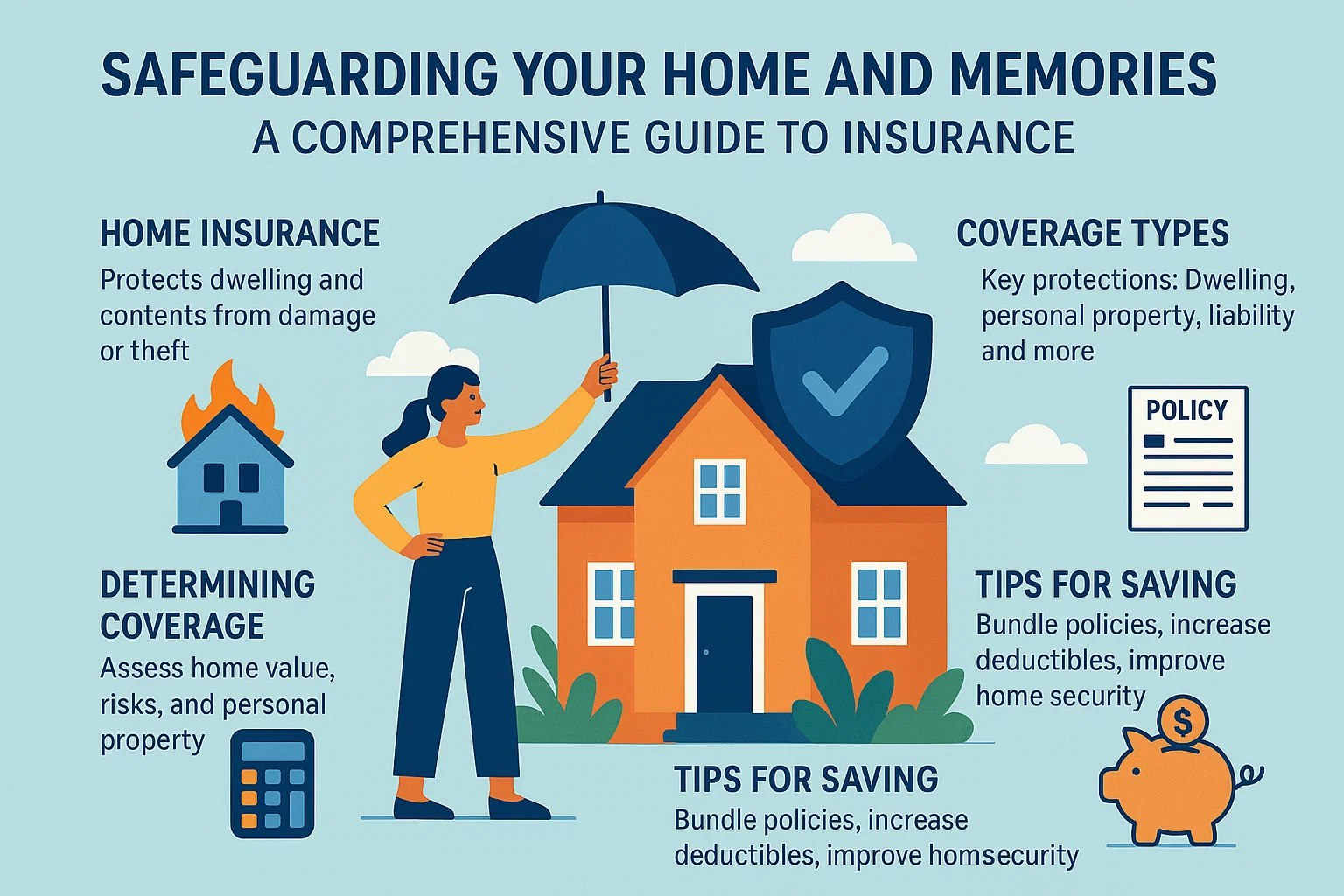
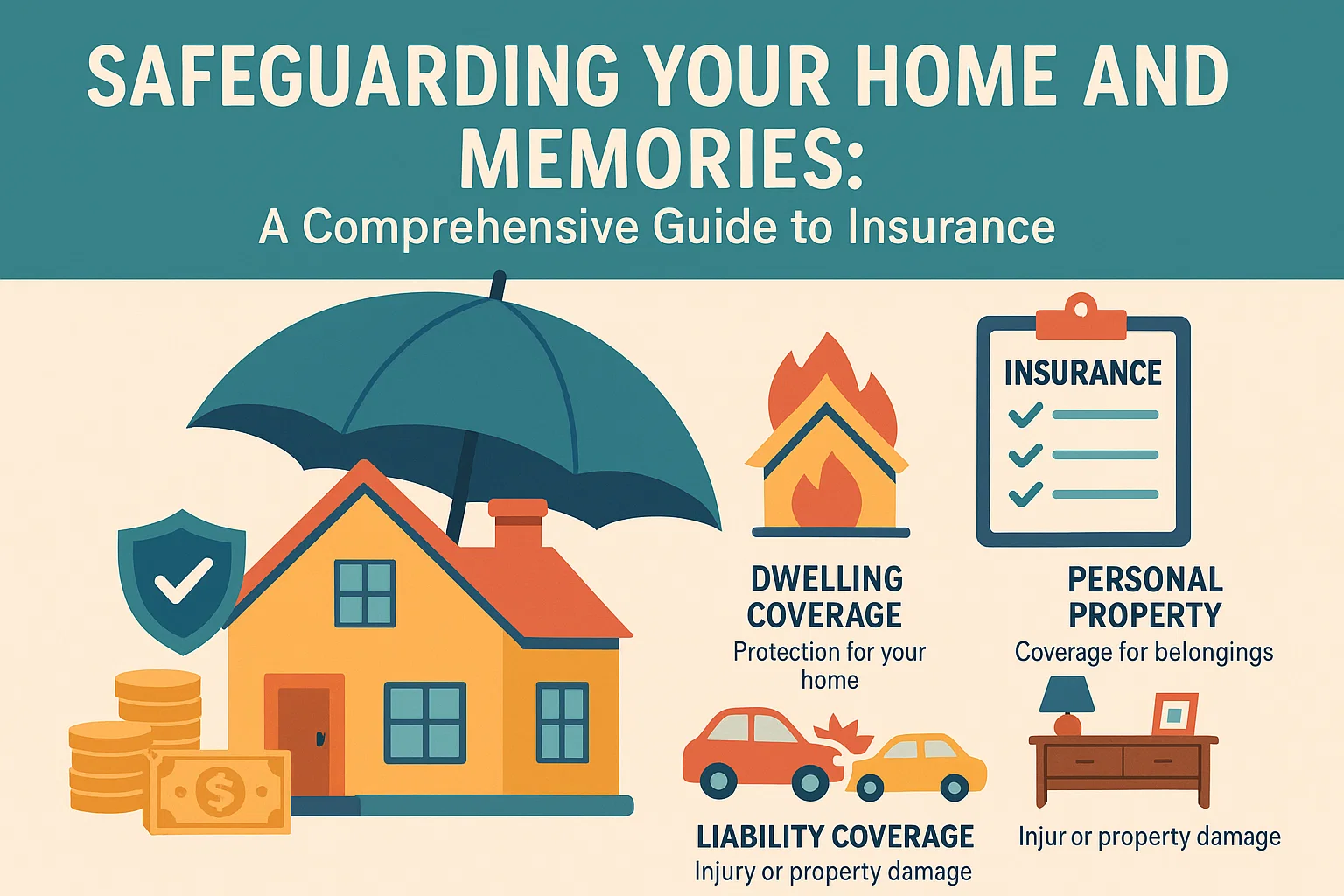
Your home is the setting for many of your most important memories and treasured moments. It’s also one of your largest assets, making adequate insurance essential. For those who financed their home, insurance also safeguards the lender’s investment. Beyond protecting the structure itself, a comprehensive policy shields your furnishings and personal property from risks like theft, damage, fire, natural disasters, and other losses.
Tailored Policies for Every Home
Homes vary in size and type—and so do insurance policies. Whether you own a condo, single-family home, townhome, or rent while building your future, there’s coverage designed for your situation. Renters insurance is particularly critical for tenants, as landlords typically only insure the building itself, not personal belongings.
Finding the Right Coverage
To secure the best rates, start by comparing quotes online. Many platforms offer free, instant quotes from multiple providers, allowing you to evaluate costs side-by-side. However, consulting an experienced agent ensures your policy aligns with your specific needs, covering both your home’s structure and possessions adequately.
What Determines Your Premium?
Insurance companies assess several factors to calculate your premium:
- Square footage and number of rooms
- Age and construction materials of the home
- Location (city, state, and proximity to fire stations)
- Heating system type and home condition
- Number of occupants
Special Considerations: Floods and Earthquakes
Standard policies often exclude flood and earthquake damage. Discuss these risks with your agent to determine if supplemental coverage is necessary for your area.
Renters Insurance: Protect Your Belongings
Renters need coverage for personal property, as landlords’ policies do not extend to tenants’ belongings. Many renters policies also include liability protection, adding an extra layer of security.
Replacement Cost vs. Cash Value
Opting for replacement cost coverage ensures you receive funds to replace items at current market prices, rather than their depreciated value. While slightly more expensive, this option can be invaluable for high-value items.
Create a Home Inventory
Document your possessions with photos, videos, or a written list. Store this inventory securely—such as in a safety deposit box—to ensure it survives any damage to your home.
Lowering Your Premiums
Strategies to reduce insurance costs include:
- Increasing your deductible (if financially feasible)
- Maintaining a strong credit score
- Inquiring about discounts for security systems, fire safety features, age-related benefits, or bundling home and auto policies
High-Value Items? Consider Extra Coverage
Standard policies may not fully cover antiques, art, jewelry, or collectibles. Discuss personal property riders or separate policies with your agent to protect these investments.
Final Thoughts
Your home represents careful planning and investment—from choosing the right builder to securing the ideal mortgage. Prioritizing tailored insurance coverage ensures lasting protection for your family, belongings, and the memories you create.