Navigating Lease Challenges When Buying a New Home
Navigating Lease Challenges When Buying a New Home
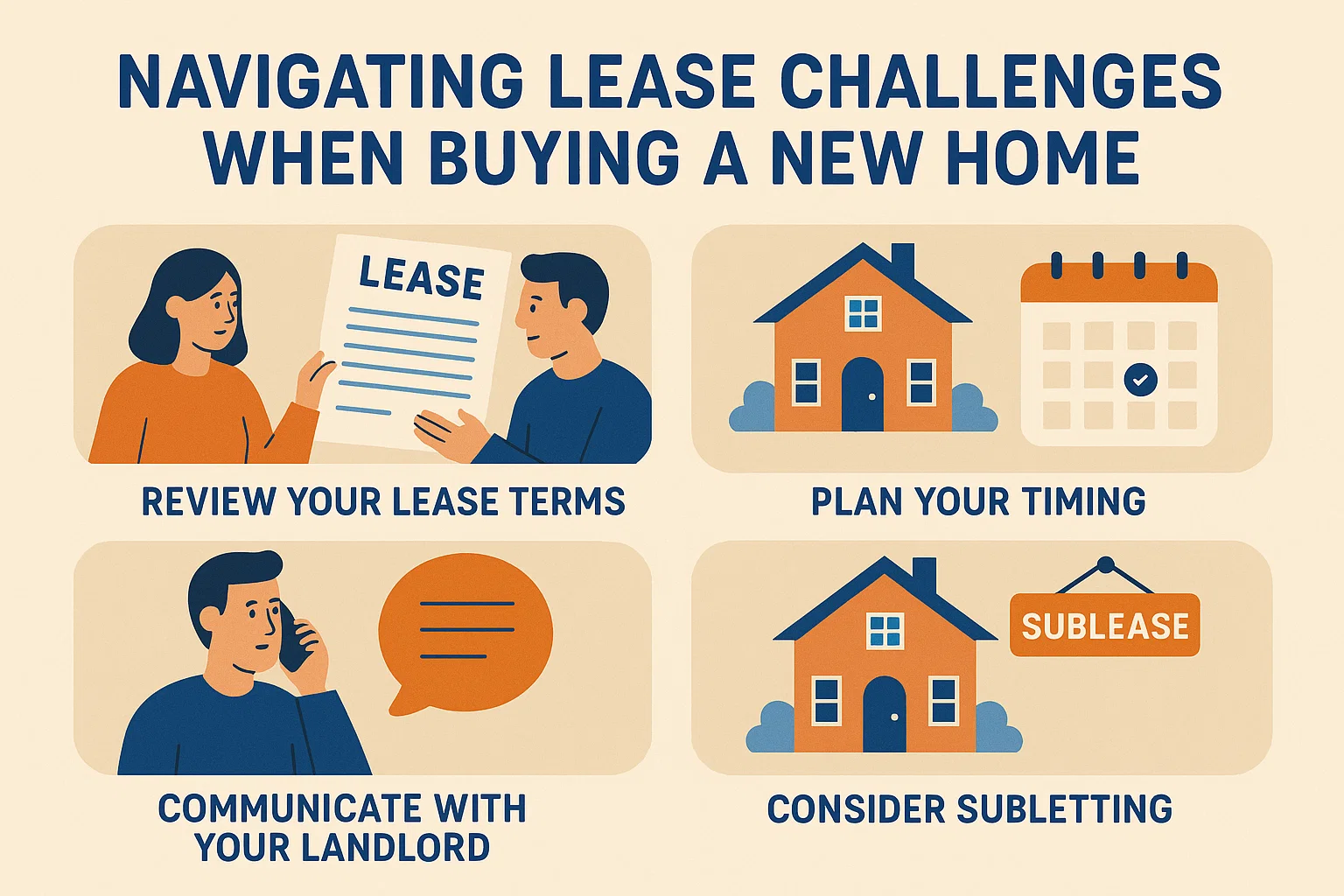
Buying a new home is a significant investment, and when you find the perfect one, you want to act quickly. Even with your down payment, closing costs, and paperwork in order, one obstacle can stand in your way: an existing long-term rental lease. Most leases last 12 months, and their expiration dates rarely align with your homebuying timeline. This leaves you with two difficult choices: break the lease early (and face potential penalties) or pay both rent and a mortgage until the lease ends. So, what steps can you take to resolve this dilemma?
Why Consider Breaking a Lease?
Pros of Breaking Your Lease
-
Moving Into Your New Home
Securing your dream home often requires immediate action. Breaking your lease may be necessary to seize the opportunity.
-
Building Financial Equity
Homeownership allows you to invest in long-term financial stability. Unlike renting, mortgage payments contribute to building equity over time.
Cons of Breaking Your Lease
-
Expenses
Landlords may require payment of remaining rent, penalty fees, or forfeiture of your security deposit for early termination.
-
Credit Score Damage
Unpaid fees could harm your credit score, affecting future credit applications or major purchases.
-
Legal Ramifications
Landlords may pursue legal action for breach of contract, which could negatively impact your rental history and credit report.
How to Break a Lease Responsibly
Look for a Homebuying Clause
Review your lease agreement for a clause allowing early termination upon purchasing a home. If included, this provides a straightforward exit strategy.
Sublet or Reassign Your Apartment
- Subletting: Transfer rent responsibility to another tenant while keeping the lease in your name.
- Reassigning: Transfer full lease obligations to a qualified tenant, freeing you from liability.
Negotiate with Your Landlord
Open a dialogue early. Some landlords may offer flexibility to avoid vacancies or lengthy legal processes.
Work with the Seller
Sellers motivated to close quickly might cover lease-breaking costs or offer financial incentives to offset penalties.
Is Breaking Your Lease Worth It?
Evaluate your financial situation and long-term goals. If moving now provides significant benefits, breaking the lease could be justified. However, if waiting aligns with market opportunities and avoids penalties, honoring the lease may be wiser.