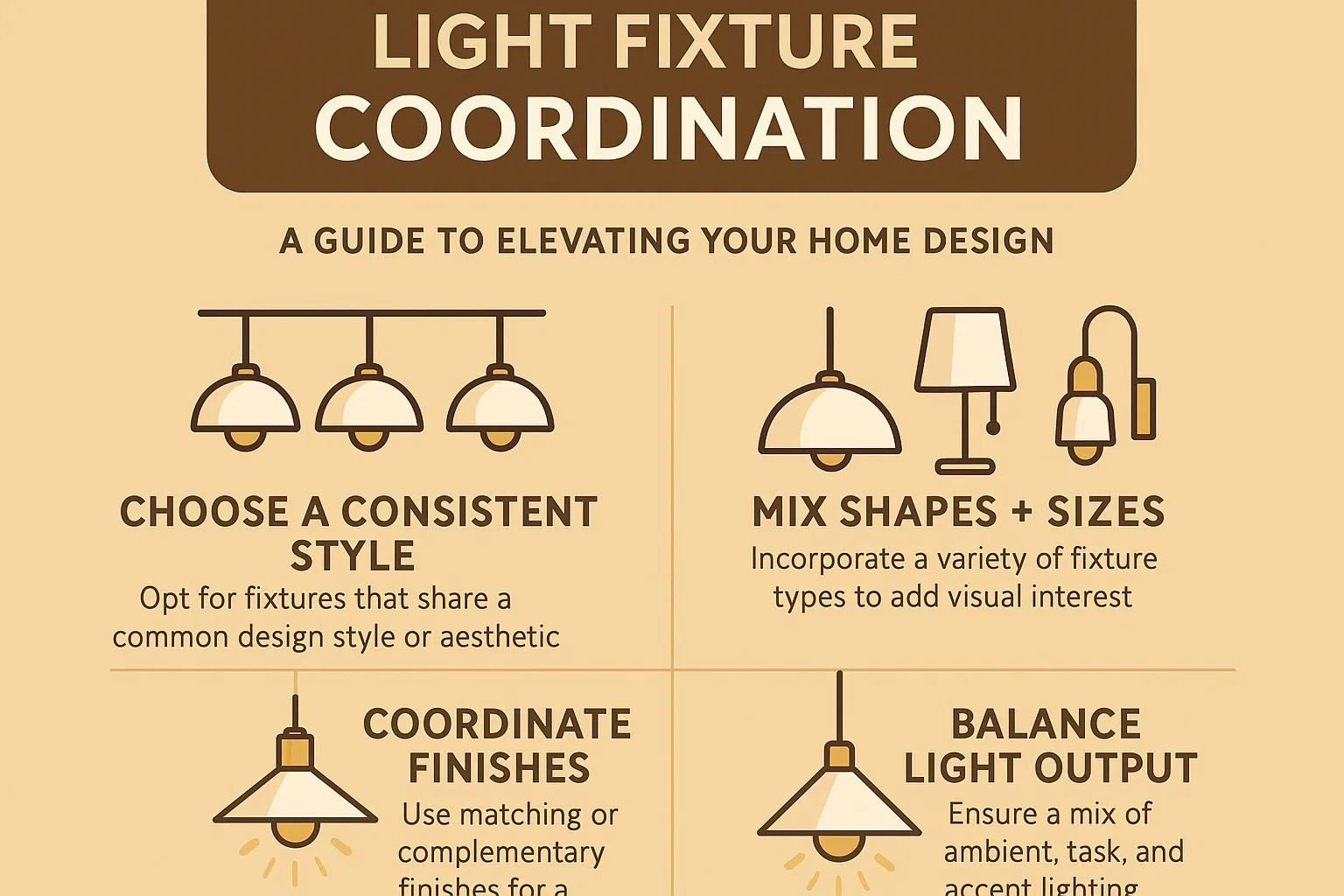
Mastering Light Fixture Coordination: A Guide to Elevating Your Home Design
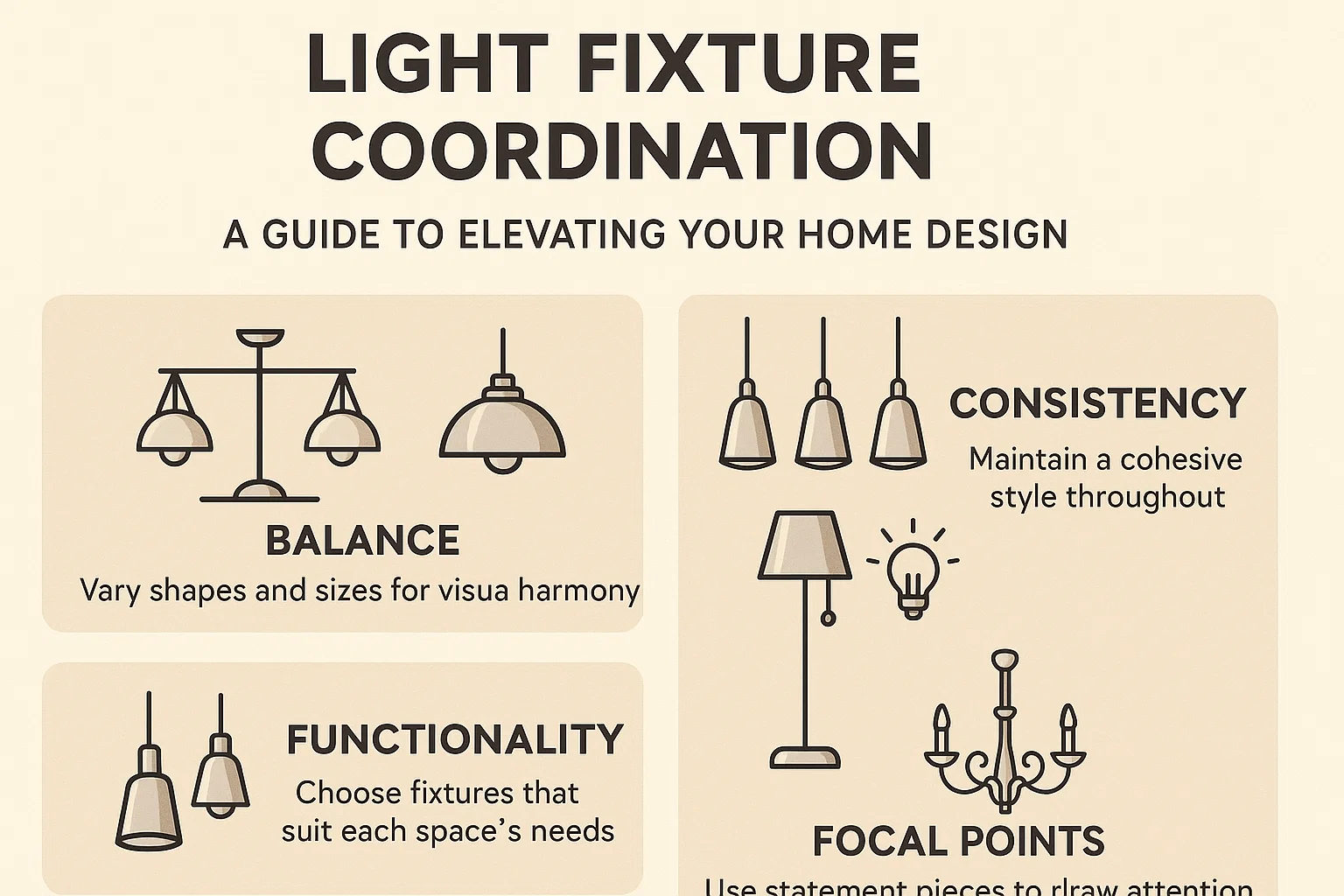
Mastering Light Fixture Coordination: A Guide to Elevating Your Home Design
Understanding the Two Pillars of Lighting
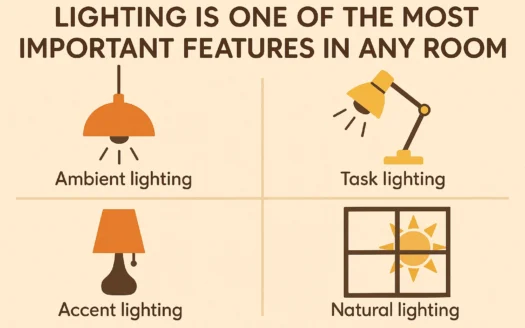
Lighting plays a transformative role in home design, blending practicality with artistry. To create a harmonious space, start by exploring the two core categories of fixtures:
Task Lighting: Designed for functionality, these focused fixtures illuminate workspaces like kitchens, studies, or vanity areas. Recessed ceiling cans are a popular choice for targeted illumination during cooking, reading, or detailed tasks.
Decorative Lighting: These eye-catching pieces serve as artistic focal points. Think pendant lights cascading over a kitchen island or a dramatic chandelier anchoring a dining room. They balance aesthetics with ambient glow.
Key Questions to Guide Your Lighting Choices
- What atmosphere do you want to create?
- How does your existing furniture influence style choices?
- What primary activities occur in this space?
- What ceiling height are you working with?
- Do you prefer bright, layered lighting or softer illumination?
- How will other design elements interact with your fixtures?
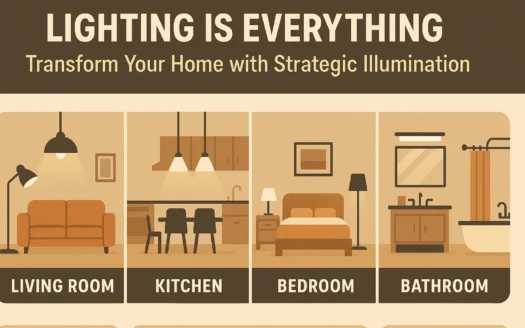
Strategic Lighting for Every Space
Functional Zones: Prioritize task lighting in kitchens, home offices, and bathrooms. Layer with decorative pendants or under-cabinet lights for both style and utility.
Statement Spaces: Formal dining rooms shine with grand chandeliers that provide ambient lighting while commanding visual attention.
Personal Sanctuaries: Bedrooms benefit from flexible combinations – consider recessed lighting for general illumination paired with bedside sconces or an elegant ceiling fixture.
The Art of Chandelier Selection
Elevate your space with these chandelier guidelines:
- Match fixture proportions to room dimensions and key furniture pieces
- Choose linear designs for rectangular tables, curved fixtures for round surfaces
- Select multi-tiered chandeliers for ceilings above 10 feet
- Opt for compact designs in smaller rooms to avoid overwhelming the space
Metal Finishes: Creating Depth Through Contrast
Avoid monotony by mixing metallic finishes. Design experts recommend combining 2-3 complementary metal tones (e.g., brushed nickel with brass accents) to add visual interest while maintaining cohesion.
Lighting Coordination FAQs
- Should all metal finishes match exactly?
- No – strategic mixing creates depth. Aim for complementary combinations rather than perfect matches.
- How do I choose between recessed and decorative lighting?
- Use recessed fixtures for task areas, then layer with decorative pieces for style and ambient light.
- What size chandelier works best?
- Choose a diameter 12 inches smaller than your table width. For high ceilings, add 3 inches per additional foot of height.
- Can professionals help with lighting design?
- Yes – design consultants can provide personalized recommendations based on your space and preferences.
Note: Lighting availability may vary based on your location and local design trends.