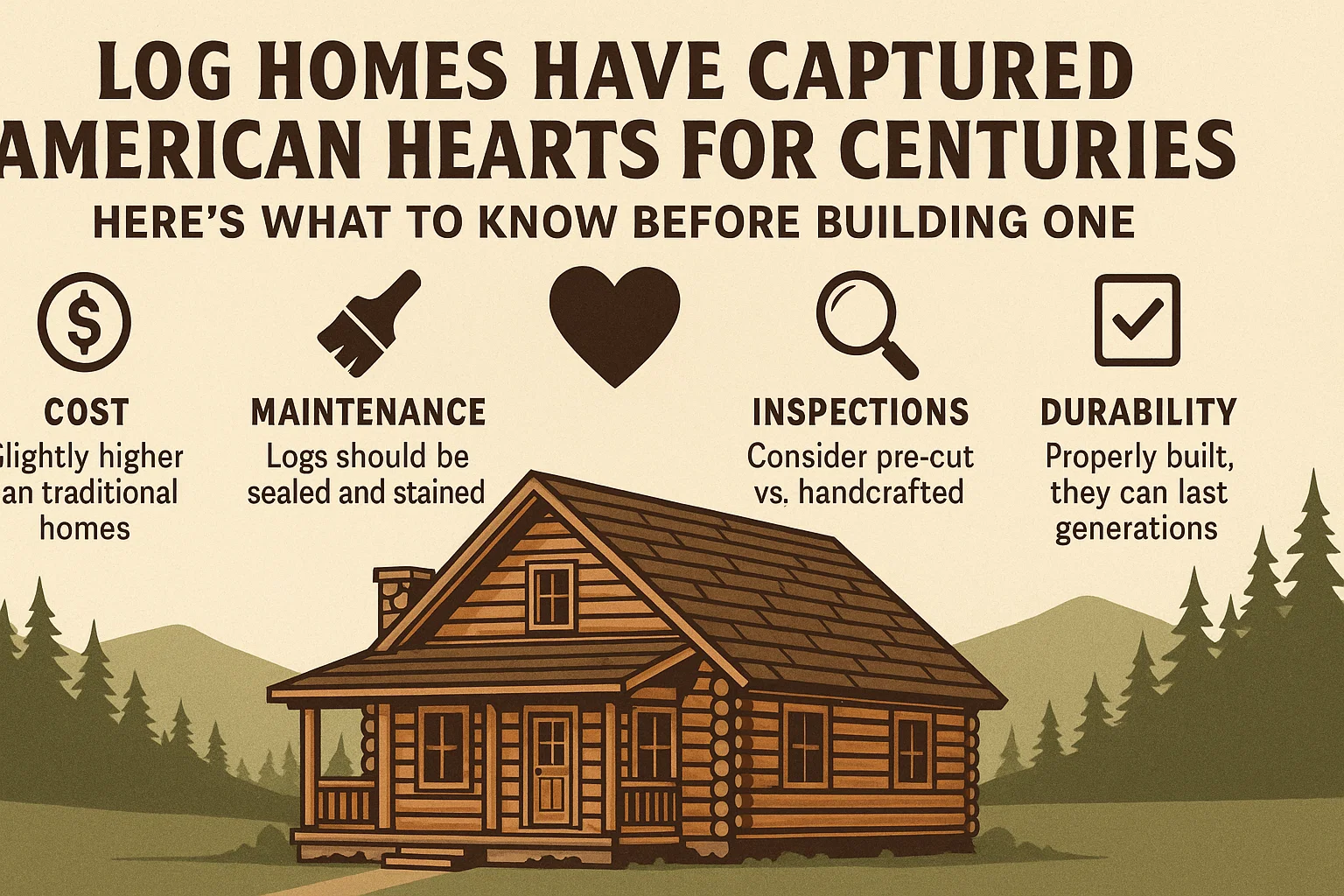
Log Homes Have Captured American Hearts for Centuries—Here’s What to Know Before Building One
Log Homes Have Captured American Hearts for Centuries—Here’s What to Know Before Building One
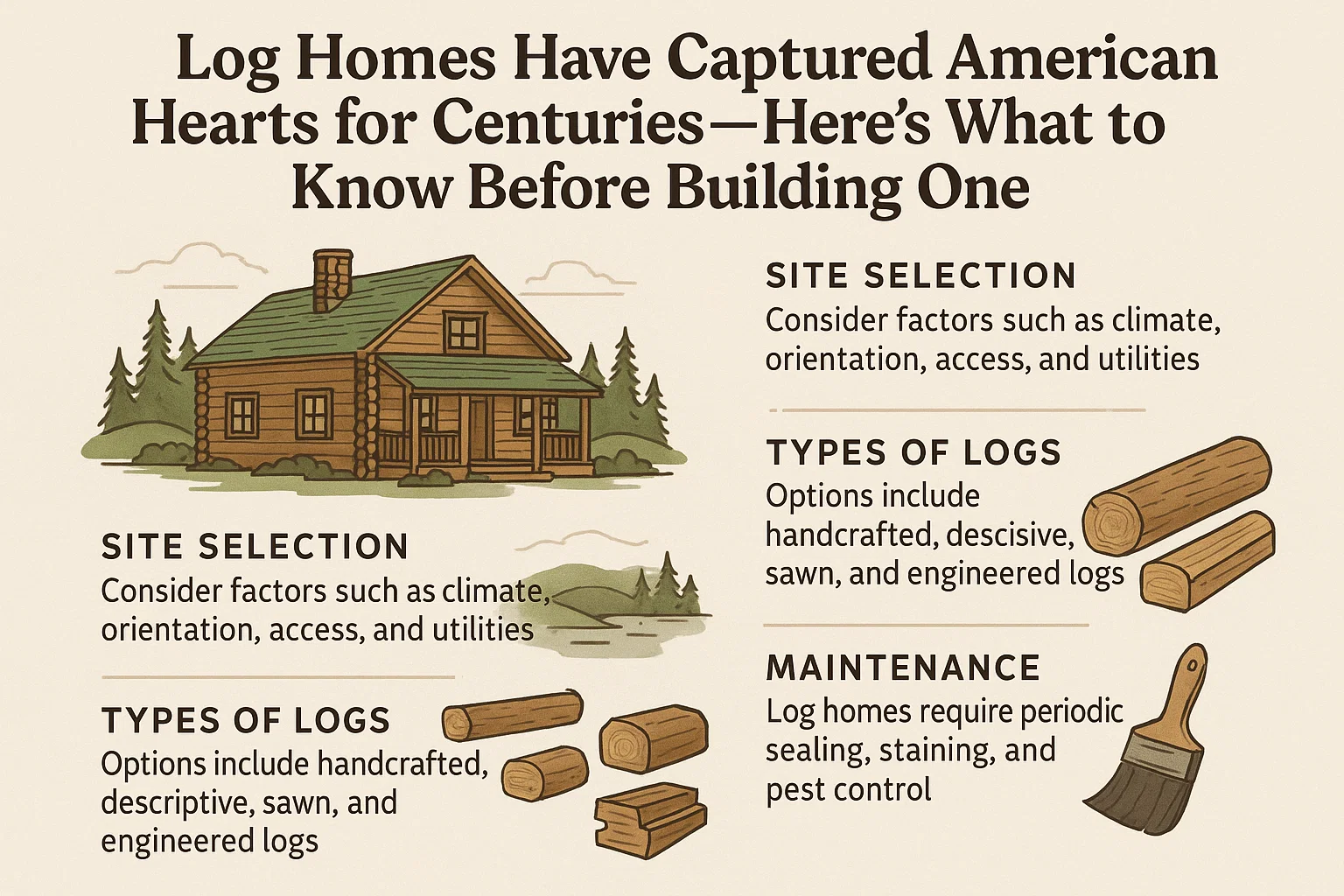
For centuries, log homes have symbolized a retreat into simplicity and tranquility. In today’s fast-paced world, their timeless charm offers a refreshing counterbalance to modern chaos. But beneath their rustic allure, log homes come with unique challenges and considerations. Before embarking on your woodland adventure, here are seven essential insights to guide your journey.
Log Cabin vs. Log Home: What’s the Difference?
While often used interchangeably, log cabins and log homes are distinct. A log home refers to any structure built with logs, while a log cabin typically describes a smaller, simpler, and often historic version. Think of it as a “square vs. rectangle” scenario: Cabins are log homes, but not all log homes are cabins. The distinction hinges on square footage, location, and modern amenities. Whether you’re dreaming of a cozy cabin or a log mansion (or even a whimsical log shoe house), the possibilities are vast!
Endless Styles to Match Your Vision
Log homes are as unique as their owners. Choices like tree species, corner construction techniques, and log-stacking methods drastically shape their appearance. Key options include:
- Sawn logs: Cut to consistent widths but retain natural character.
- Milled logs: Uniform in size and shape for a polished look.
Modern designs often blend wood with other materials like brick or drywall to brighten spaces or add contrast. A log home doesn’t have to be an all-wood affair—creativity is encouraged!
The Hidden Complexity of Electricity and Insulation
Log homes demand meticulous planning for wiring and climate control. Common pitfalls include:
- Insulation gaps: Poorly sealed logs lead to temperature extremes. Use region-appropriate wood and elastic sealants like chinking to fill cracks.
- Wiring challenges: Drilling through logs for electrical systems requires precision. Work with professionals to avoid costly mid-build changes.
Views Worth the Effort
Log homes thrive in natural settings. Strategic placement maximizes vistas of forests, mountains, or lakes—transforming mornings into daily doses of serenity. When selecting your site, prioritize sightlines that align with your vision of rustic bliss.
Maintenance: More Than Meets the Eye
Owning a log home means embracing ongoing care:
- Pest control: Treat wood during construction and inspect regularly for infestations.
- Refinishing: Re-stain exteriors every 3–4 years to combat weathering.
- Shrinkage management: Logs naturally dry and crack over time. Address gaps promptly with chinking.
Proactive maintenance keeps small issues from becoming disasters. Plus, log homes often “communicate” problems early—like sawdust trails from pests or water stains from faulty gutters.
Rustic Doesn’t Have to Rule
Love the log structure but not the frontier vibe? Blend materials and styles to soften the aesthetic:
- Paint window frames or cabinets.
- Add drywall accents or mirrored decor.
- Incorporate stone or tile flooring.
A log home can feel modern, eclectic, or minimalist—it’s your canvas to redefine.
Kit Homes: A Shortcut to Serenity
For a faster build, consider log home kits. Pre-cut, dried, and shaped logs arrive at your site, slashing construction time from years to weeks. Many companies offer customizable designs, balancing rustic charm with modern convenience.
Not Ready to Build? Explore Alternatives
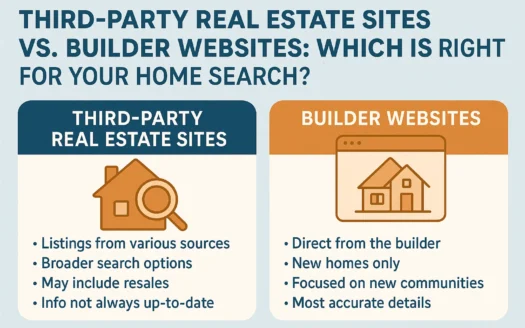
If a full log home feels overwhelming, infuse rustic touches into your existing space. For inspiration or to browse pre-built options, visit Pre-ConstructionHomes.com for listings across the U.S.