If You’ve Been Paying Attention to the Real Estate Market, Now Is the Time to Sell
If You’ve Been Paying Attention to the Real Estate Market, Now Is the Time to Sell
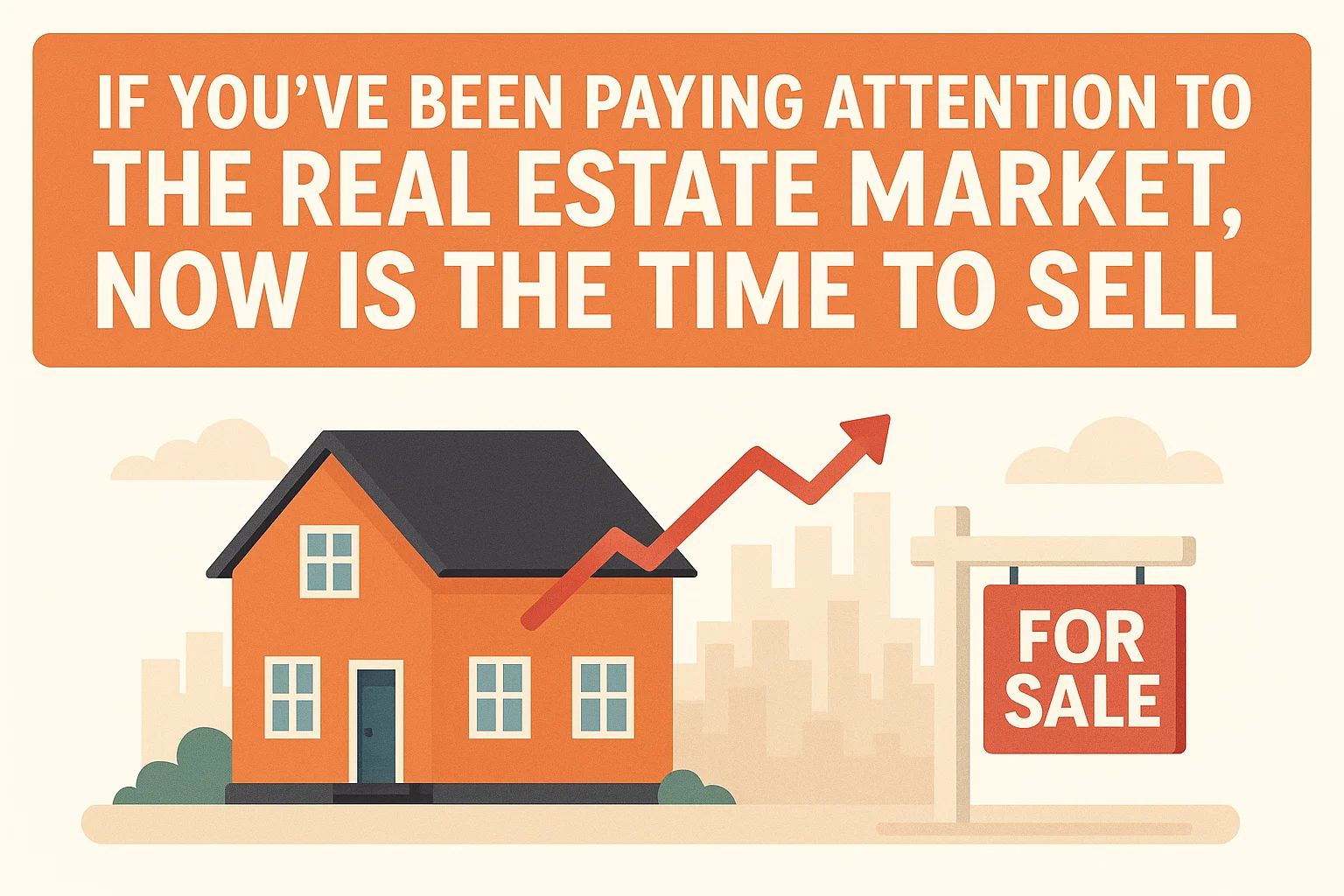
If you’ve been paying attention to the real estate market, you’ve probably noticed that right now is a good time to buy. Before you can do that though, you’ll need to sell your current house. Not sure where to begin? We’ve got you covered with our step-by-step guide.
First, Ask Yourself: Are You Sure You’re Ready to Sell?
This decision shouldn’t be made lightly. Check in with yourself personally by asking the following questions:
- Have I outgrown this home? Or do I need something smaller?
- Is my current home missing features that I want or need?
- Am I ready to open my home to real estate professionals and potential buyers?
And even if you are ready, better make sure your bank account is on board, too:
- If my current home needs repairs before selling, do I have money to pay for those?
- Will I be able to afford a mortgage for my new home?
- Am I ready to make a 10 to 20 percent down payment on my new home?
Talk the decision over with family members and seek the advice of trusted friends. However, don’t get trapped in analysis paralysis—if you feel you’re making a wise decision, then go for it.
Next, Set a Home Selling Timeline
Depending on the market, repairs, and other factors, it’s hard to predict when things will line up. However, you can set your own timeline with reasonable expectations. Spring is the busiest season in real estate, so listing between January and mid-May may yield good traffic. Prior to your listing date, you should:
- Interview and acquire a real estate professional (if using one)
- Decide on a selling price
- Have your home inspected
- Take care of major repairs
- Deep clean the entire home
- Apply finishing touches and stage your home for showings and photos
Step 1: Hire a Professional … Or Not
Consider the pros and cons of using a real estate professional. First-time sellers may benefit from their expertise, while experienced sellers might opt to save on commissions. Remember, even without an agent, you may still need to pay a buyer’s commission.
Step 2: Determine Your Selling Price
For a logical approach, review similar homes in your neighborhood that have sold recently. Note differences in features and adjust your price accordingly. A comparative market analysis (CMA) from a real estate professional can provide an objective perspective. Price your home to sell—avoid letting emotional attachments inflate the value.
Step 3: Hire a Home Inspector
An optional but valuable step. A pre-listing inspection can uncover hidden issues and arm you with proof to counter buyer negotiations. For example, if a buyer claims the HVAC system needs replacing, a recent inspection report can validate its condition.
Step 4: Take Care of Major Repairs
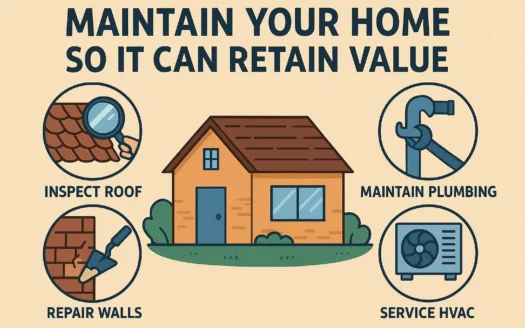
Address critical repairs like plumbing, roofing, or pest issues to maximize your home’s value. Don’t overlook cosmetic damage—patch holes, replace stained carpets, and fix scratched surfaces. Unresolved issues can lead to costly contingencies during negotiations.
Step 5: Deep Clean the Entire Home
Potential buyers won’t see charm in stains or clutter. Scrub every surface, clean carpets, and maintain a spotless exterior. Designate “off limits” rooms for kids or pets to control messes. Power wash driveways and maintain landscaping for curb appeal.
Step 6: Finishing Touches and Staging
Add fresh paint, neutral artwork, and depersonalize the space so buyers can envision their lives there. Rent staged furniture if needed. The goal is to highlight your home’s livability.
Ready, Set … Sell!
Breaking down the process into six steps makes it manageable. If you’re still searching for your dream home, there are plenty of new builds waiting to be discovered.