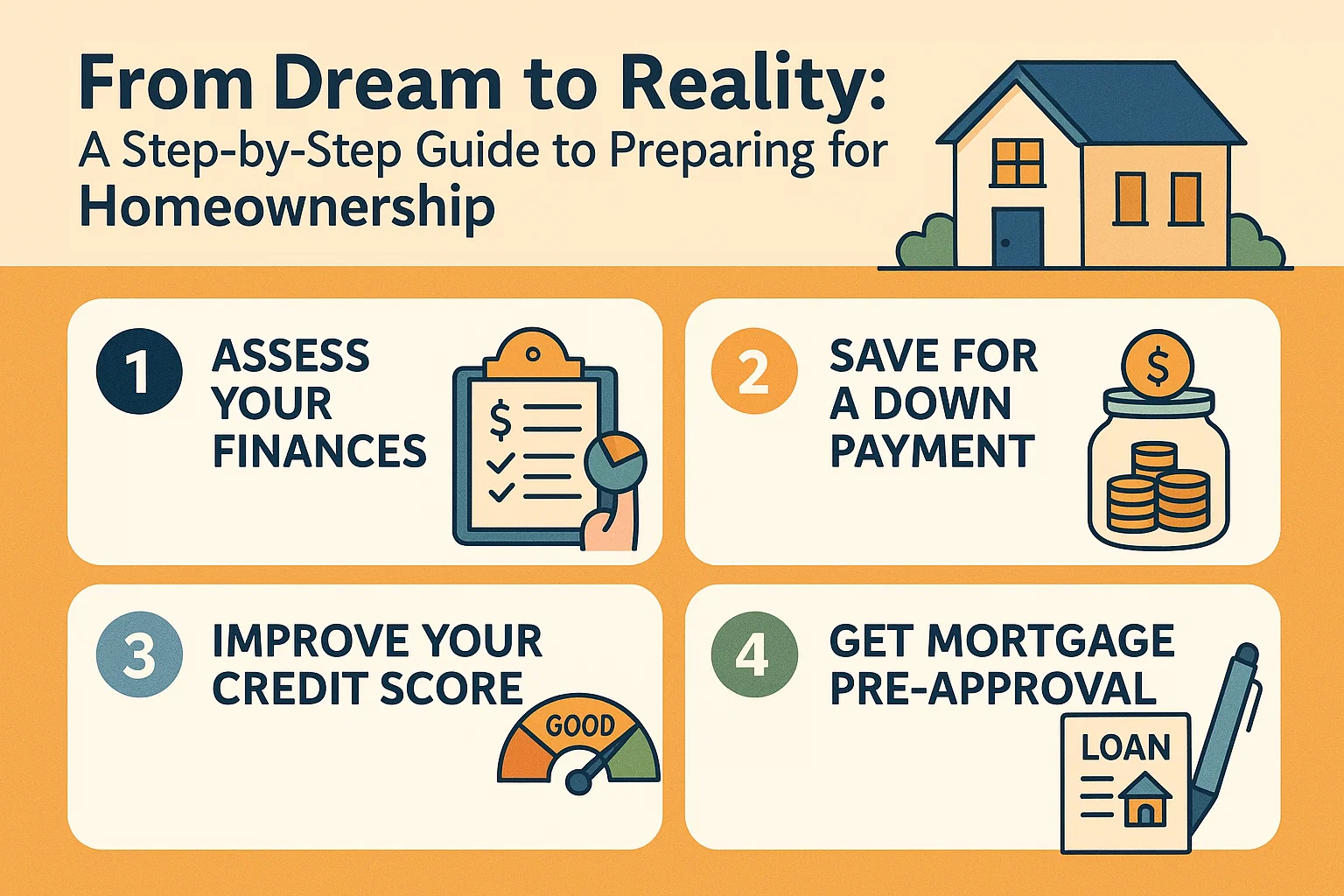
From Dream to Reality: A Step-by-Step Guide to Preparing for Homeownership
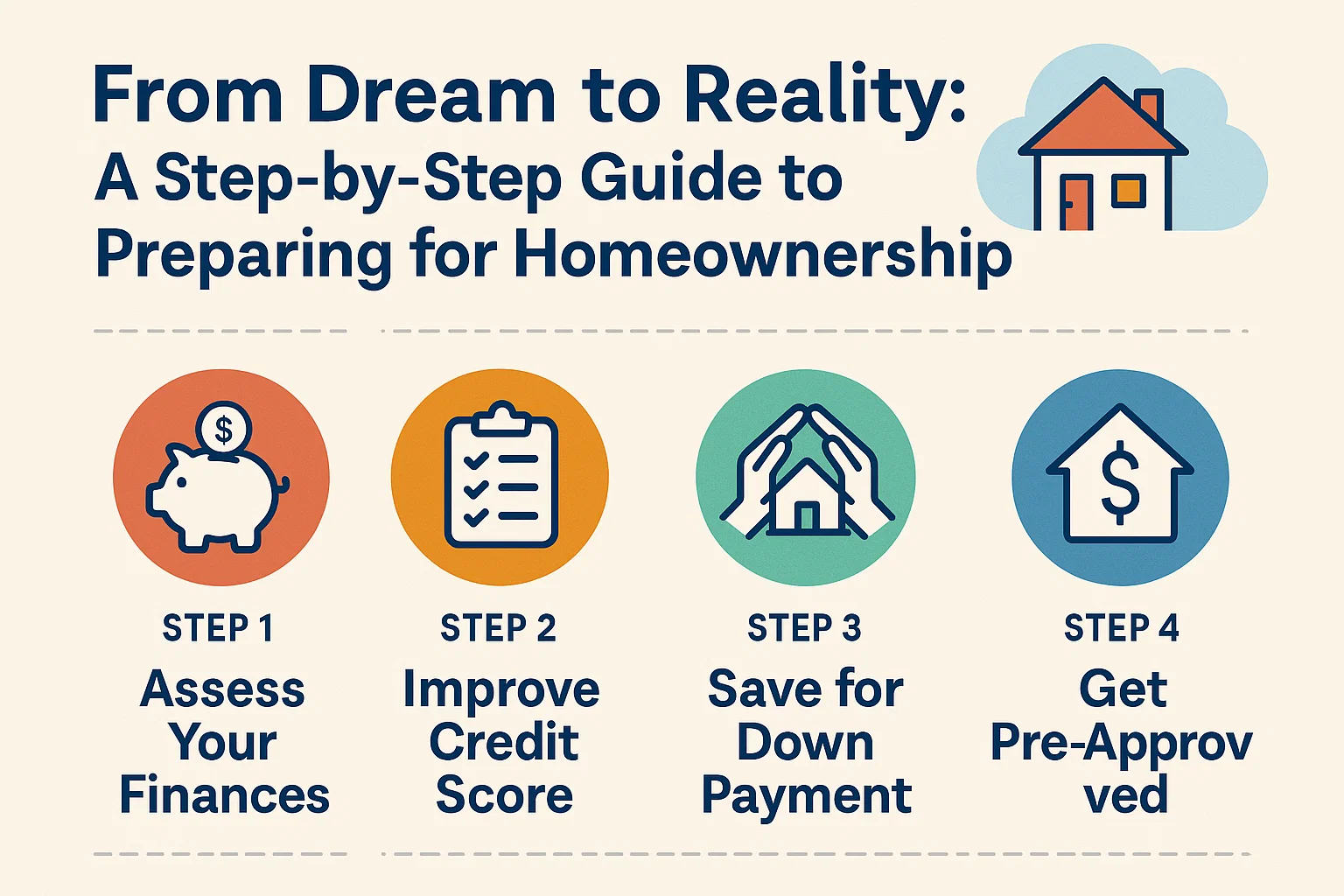
From Dream to Reality: A Step-by-Step Guide to Preparing for Homeownership
Making the decision to purchase a home and actually going through the process are two very different things. Plenty have had the passing thought of, “I hope to own a home one day.” But if you’re ready to commit to the hunt and eventual success, it can be daunting to get started. There are literally millions of homes in the U.S.—how are you supposed to know where to start looking?
Well, put simply, you start exactly where you are. No matter what sort of home you’re looking to buy or when you want to purchase, you’ll need to assess your situation and ensure you’re set for success when you find the home of your dreams. Below are three critical steps to accomplish before you begin your search, so you’re as informed and prepared as possible.
1. Check Your Finances
The first step is to evaluate and familiarize yourself with your financial situation. While a mortgage will finance most of your home, you’ll still need to pay for several items upfront:
- Down Payment: Typically 5–20% of the home’s cost. A larger down payment reduces monthly payments and may eliminate the need for private mortgage insurance (PMI).
- Earnest Money Deposit: A good faith payment (1–5% of the home cost) held in escrow after signing a contract with the seller.
- Closing Costs: Fees due at the sale’s closing, including lender/title costs and prepaid expenses. Plan to set aside funds for these early.
Additionally, review your credit report from Experian, Equifax, and TransUnion. Correct errors and improve your score if needed, as lenders will scrutinize your credit history.
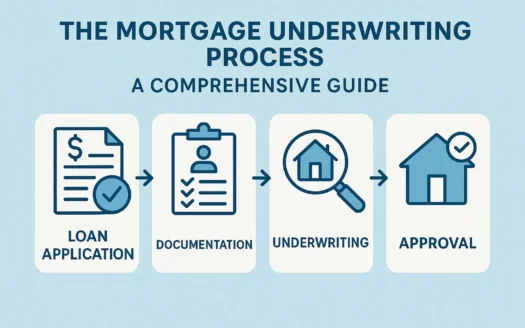
2. Learn the Mortgage Process
Familiarize yourself with mortgage applications and approval processes. A mortgage is a 15–30 year commitment, so research lenders thoroughly. Compare:
- Annual percentage rates (APR)
- Origination fees
- Loan terms
Gather necessary documents for your lender meeting:
- Identification
- Proof of income
- Employment verification
- Credit score
- Debt-to-income ratio
Decide between prequalification (a preliminary estimate) and preapproval (a verified commitment). Preapproval strengthens your negotiating position with sellers.
3. Conduct a Self-Assessment
Before diving into the market, ask yourself:
- Are you emotionally and financially ready for homeownership?
- Have you discussed this decision with family or trusted advisors?
- Is your financial situation stable enough for long-term commitments?
Remember: You’re free to walk away at any point before signing contracts. Starting with confidence ensures a smoother journey.
Begin the Search
If your finances, mortgage readiness, and self-assessment align, it’s time for the exciting part! Define your ideal home by asking:
- How many bedrooms/bathrooms are essential?
- Do you prefer single-story or multi-level living?
- What square footage is manageable?
- Are bonus rooms (e.g., home office, formal dining) necessary?
- How much outdoor space do you need?
Organize your preferences into Must-Haves, Wants, and Don’t-Wants. Use online listings to explore options, and don’t hesitate to work with a real estate agent for guidance.
Final Tip: Stay communicative, move at your own pace, and prepare for an emotional journey. With research and perseverance, you’ll find a home that fits your family’s needs and budget.