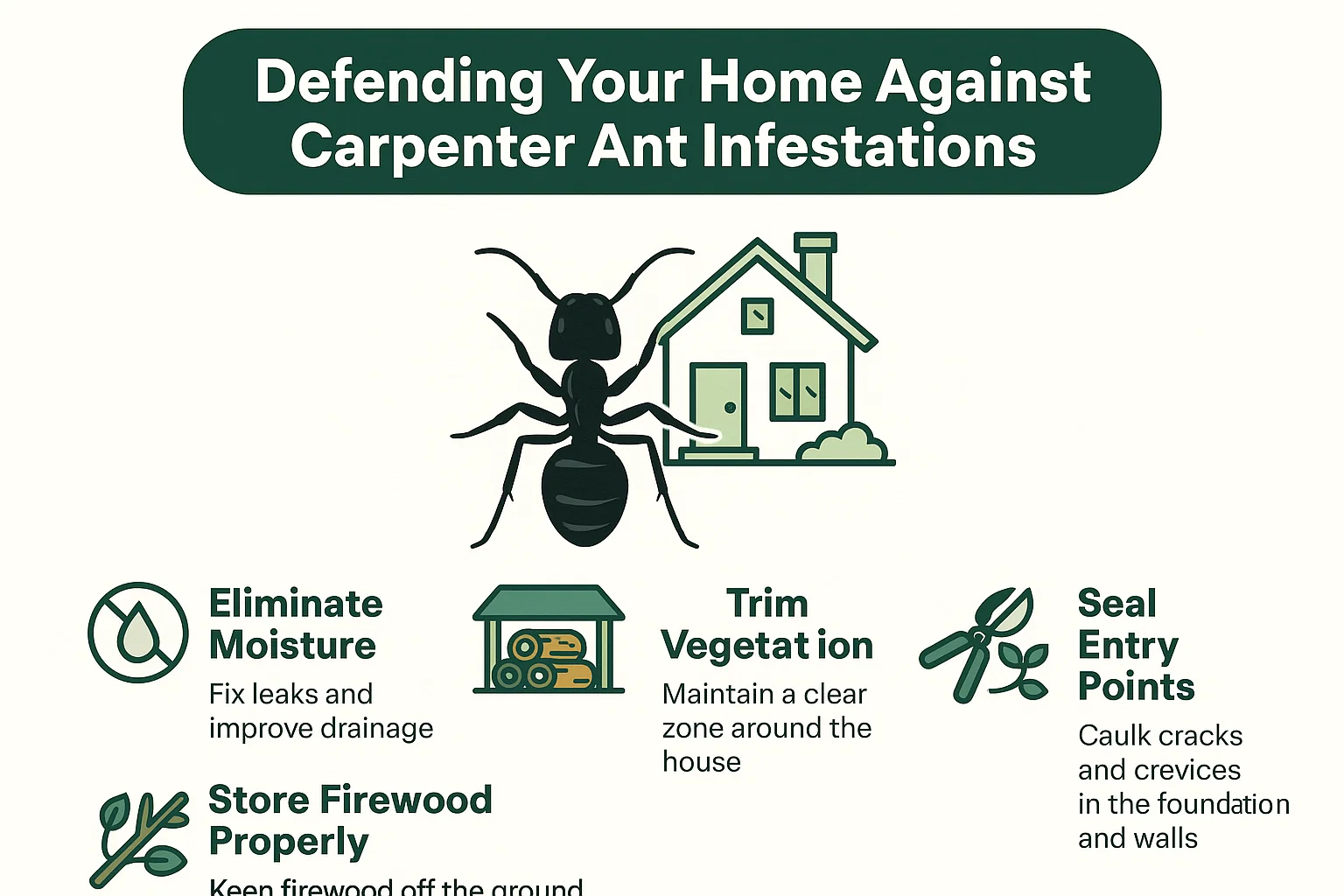
Defending Your Home Against Carpenter Ant Infestations
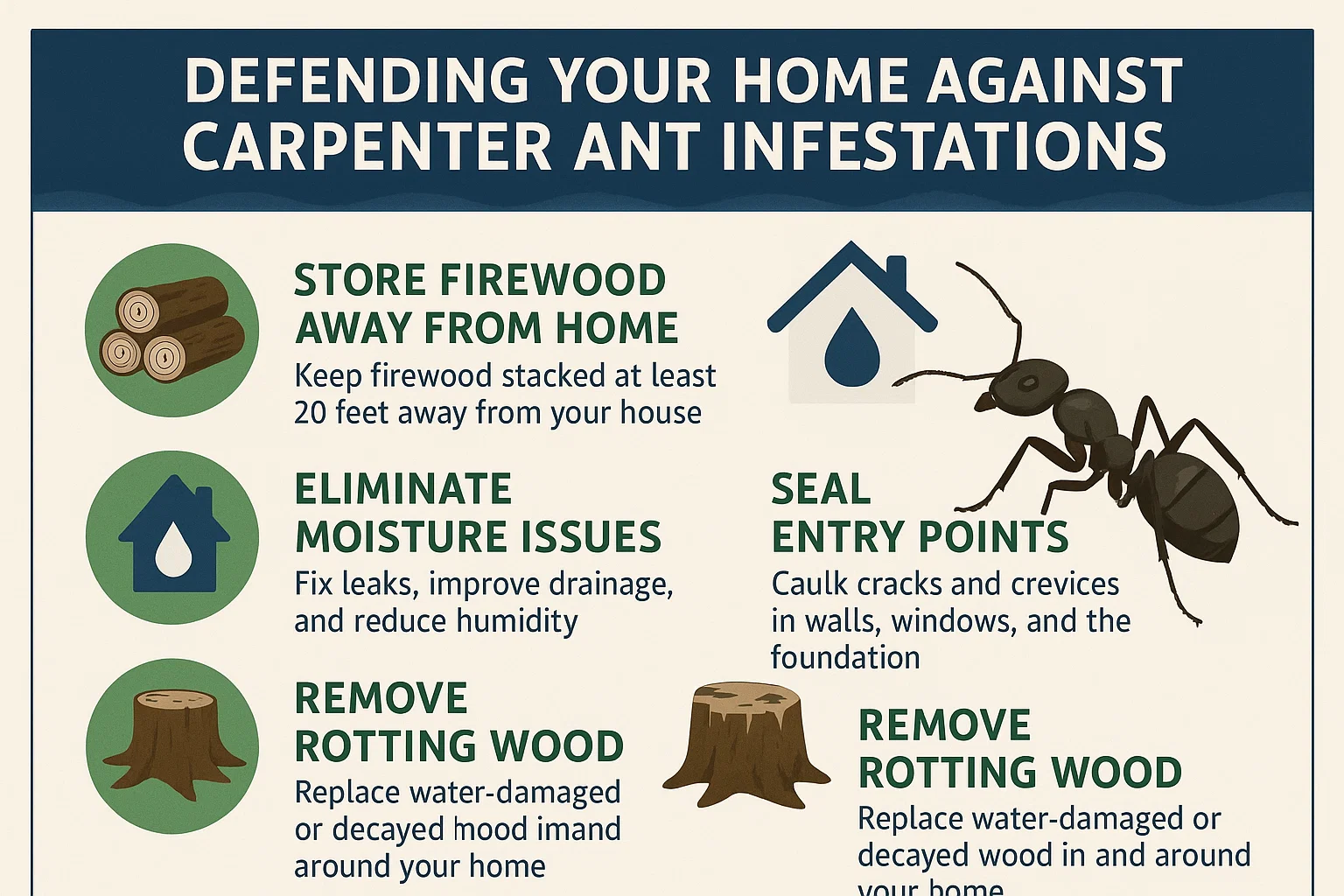
Defending Your Home Against Carpenter Ant Infestations
While carpenter ants won’t present renovation plans, their ability to reshape your living spaces is both impressive and destructive. These insects carve intricate networks within wooden structures, creating nesting galleries that weaken building integrity over time. Discover how to identify these pests and implement protective measures for your property.
Recognizing Carpenter Ants
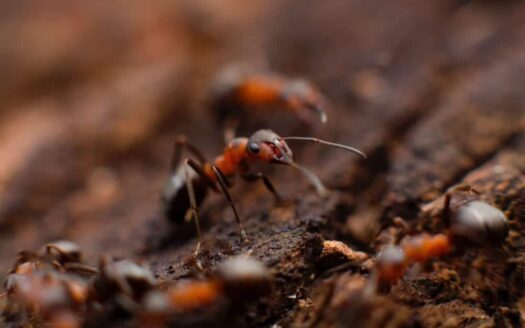
Physical Characteristics:
- Size range: 1/8-inch (workers) to 1/2-inch (queens)
- Common color variations: black, red, or combination species
- Distinctive narrow waist and segmented body structure
Key Differences from Termites:
- Bent antennae vs. termites’ straight antennae
- Dark-colored bodies vs. termites’ pale coloration
- Uneven wing lengths vs. termites’ equal-sized wings
Proactive Protection Methods
Environmental Modifications
- Maintain 12-inch clearance between soil and wooden structures
- Use dehumidifiers in damp basements or crawl spaces
- Install metal flashing where wood meets concrete
Material Management
- Regularly inspect wooden decks and railings
- Use pressure-treated lumber for outdoor projects
- Remove fallen tree limbs promptly
Exclusion Techniques
- Apply silicone caulk to utility line entry points
- Install fine mesh screens in vent openings
- Use door sweeps on exterior entries
Responding to Established Colonies
Critical Considerations: Visible ants represent only 10% of the colony. Disturbing workers may cause the colony to split into multiple satellite nests.
Professional Solutions:
- Advanced baiting systems that target entire colonies
- Thermal imaging for nest detection
- Preventative barrier treatments
Regular property inspections and immediate moisture management form the best defense against these wood-tunneling insects. For active infestations, certified pest specialists offer the most effective long-term solutions.