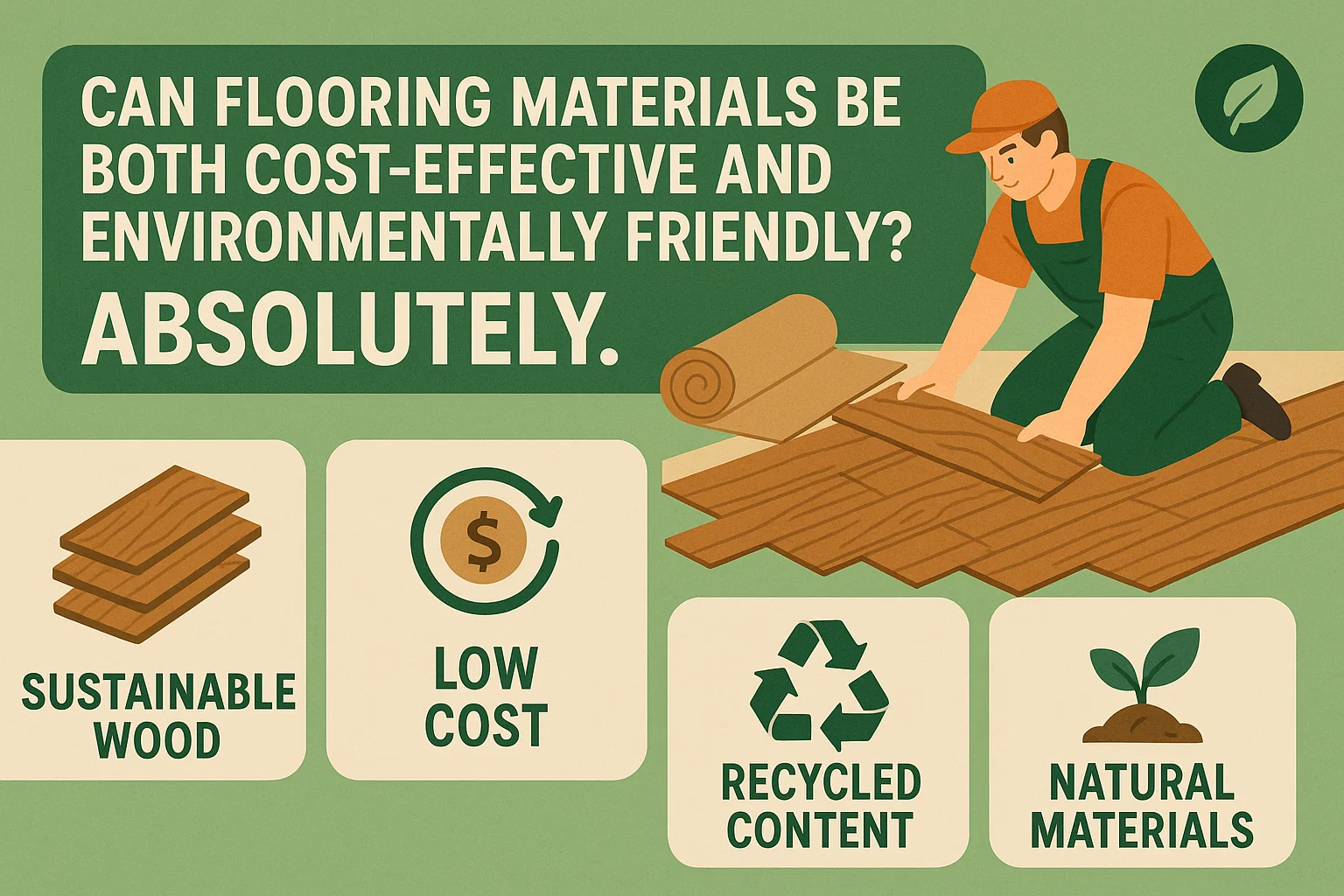
Can Flooring Materials Be Both Cost-Effective and Environmentally Friendly? Absolutely.
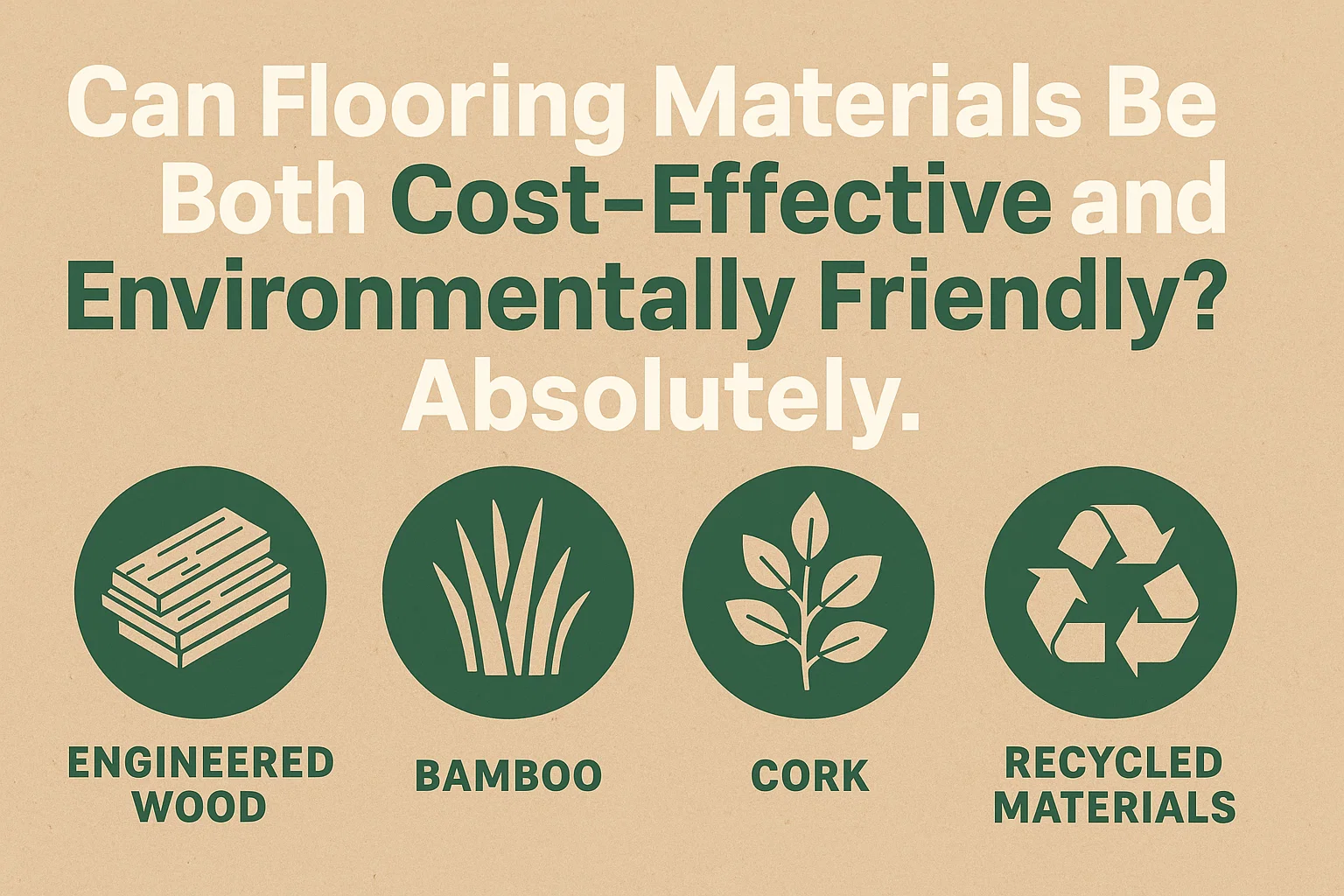
Can Flooring Materials Be Both Cost-Effective and Environmentally Friendly? Absolutely.
A wave of new materials — and even some tried-and-true ones — are providing homeowners with a wealth of flooring options for any budget, while also creating a “green” environment indoors.
Carpet
You wouldn’t think that anything new or terribly exciting was happening in the world of carpet, but you would be wrong. The old standard floor covering has been getting a makeover thanks to new technologies that are improving the quality and texture of carpet fibers.
“Carpet remains the most affordable floor covering of choice, particularly in bedrooms or living rooms,” said David Wilkerson, corporate director of sustainability & product stewardship with Shaw Floors, the world’s largest carpet manufacturer. “In the last year, we’ve had technological and design breakthroughs in improving the softness of nylon carpet fibers, and the durability, too. These are becoming extremely popular with homeowners.”
Carpet is also more environmentally friendly than you may realize. While the smell of new carpet often raises questions about chemical emissions, it is not installed with adhesives and is virtually free of VOCs. The Carpet and Rug Institute (CRI) tests carpets through its Green Label and Green Label Plus programs for VOCs. Homeowners can check the CRI website to compare manufacturers.
Recyclability further enhances carpet’s eco-profile. For example, Shaw’s nylon 6 carpet can be converted back into raw materials repeatedly. A large portion of Shaw’s products are certified by the Cradle to Cradle Certified Products Program, which evaluates material health, renewable energy use, water stewardship, and social fairness.
Hardwood
Hardwood is a bio-based, renewable resource that can last decades with proper care. Sustainability hinges on sourcing wood from responsibly managed forests. Common North American species include oak, hickory, and maple.
Engineered hardwood, made from layered wood, offers dimensional stability and can be installed in moisture-prone areas like basements. Reclaimed wood is another sustainable option, though often expensive. Some engineered woods now incorporate reclaimed materials at lower price points. For instance, Shaw’s “Epic” hardwood line uses 50% less newly harvested wood by incorporating reclaimed wood chips in its core.
Bamboo and cork are niche renewable options. Bamboo, technically a grass, grows rapidly, making it a popular eco-friendly choice.
Laminate
Laminate flooring mimics hardwood and balances affordability with durability.
“Even the highest-quality laminate is affordable, easy to clean, and long-lasting,” said Betsy Amoroso, director of corporate communications at Mannington Mills. “It’s also eco-friendly and simple to install without adhesives.”
Mannington’s laminate line is the only one with FloorScore certification, meeting strict air quality standards. Resilient flooring, including vinyl, has also grown rapidly due to its low cost, moisture resistance, and visual versatility. Innovations like fiberglass-backed sheet vinyl offer added cushioning while retaining eco-friendly attributes.
Resilient Flooring
Resilient flooring is competitively priced, durable, and moisture-resistant. It can replicate wood, tile, or stone and often requires no adhesives. Advances like fiberglass layers enhance comfort without compromising sustainability.
With manufacturers prioritizing eco-conscious production, homeowners at every budget level can choose flooring that supports both their wallets and the planet.