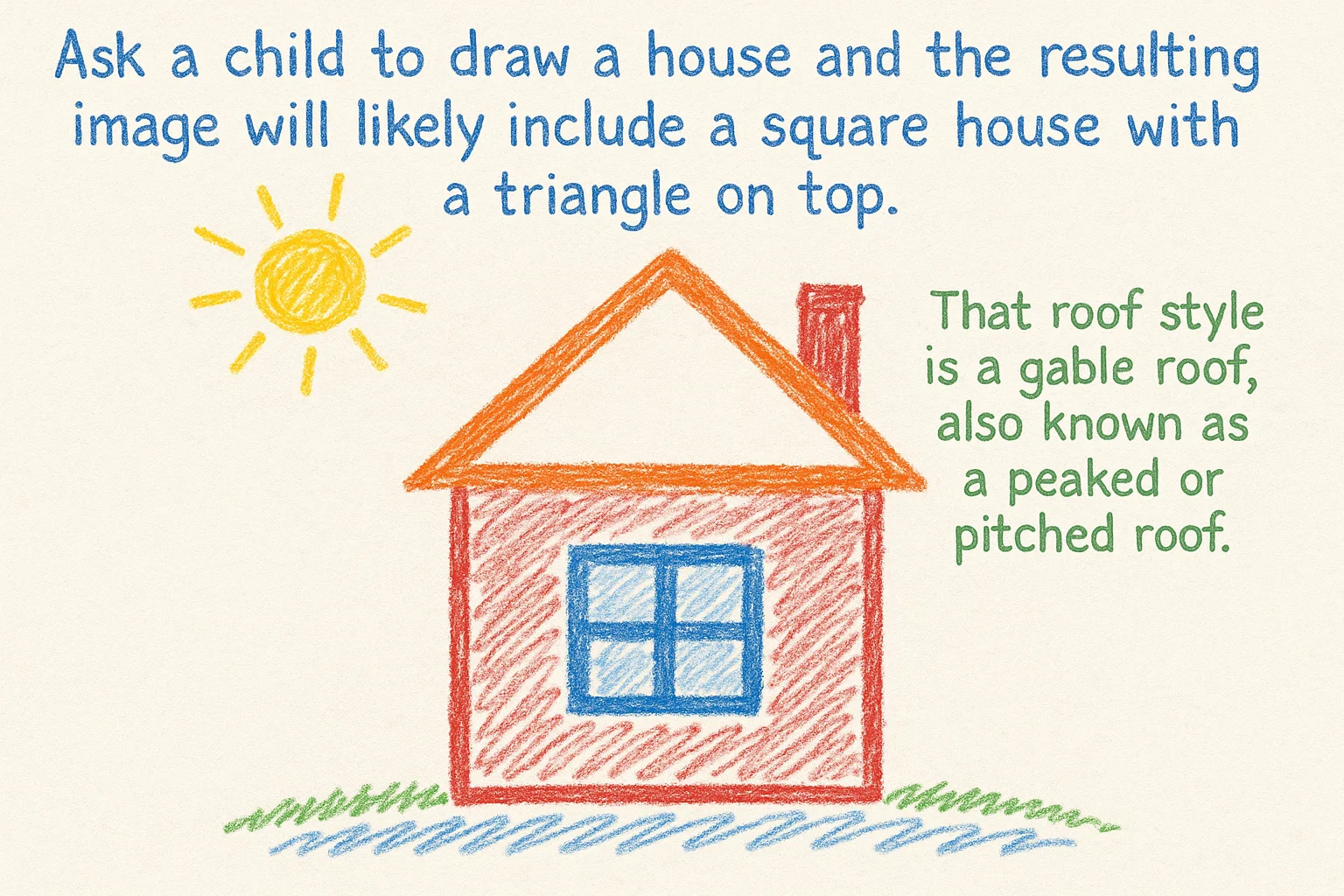
Ask a child to draw a house and the resulting image will likely include a square house with a triangle on top. That roof style is a gable roof, also known as a peaked or pitched roof.
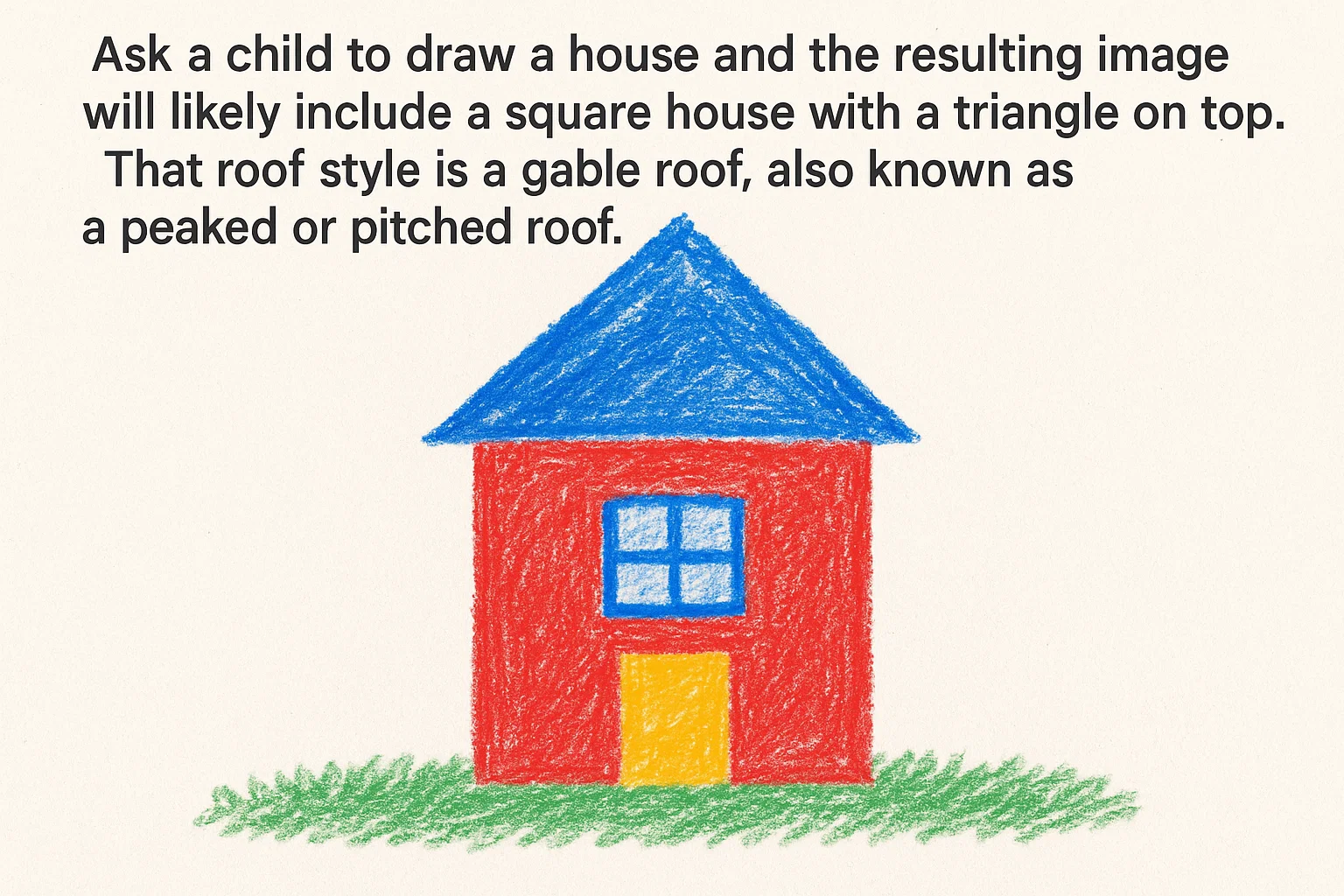
Ask a child to draw a house and the resulting image will likely include a square house with a triangle on top. That roof style is a gable roof, also known as a peaked or pitched roof.
Gable roofs are among the most popular roof styles in the U.S. and have a familiar shape with sloping sides that form a triangle at the top known as a gable. Depending on their size and style, homes can include more than one gable. The gable itself typically is built with materials used on the exterior of the house such as stone, siding, or wood rather than roofing materials. Gable roofs tend to be found in colder climates such as New England and Canada because the steep slope allows rain and snow to slide off rather than accumulate on the top of the house.
Materials for Gable Roofs
- Asphalt shingles: One of the most common materials, especially for roofs with dormers, hips, and valleys. Asphalt is weather-resistant and available in various colors and styles.
- Metal: Resistant to extreme temperatures, wind, and hail. More expensive than asphalt but durable and low-maintenance.
- Tile (terra cotta, clay, or concrete): Durable and long-lasting (60–100 years), though heavy and complex to install.
- Cedar shake: Attractive wood option that resists leaks but requires more maintenance and is prone to water damage.
Flashing (thin metal pieces) should be installed around dormers, chimneys, windows, and gutters to prevent leaks.
Pros and Cons of Gable Roofs
Pros:
- Effective at shedding snow, water, and leaves.
- Allows for vaulted ceilings, attic space, and ventilation via gable vents.
- Complements various architectural styles, from modern to Victorian.
Cons:
- Not ideal for high-wind or hurricane-prone areas due to risk of collapse or detachment.
- Complex designs may require costly structural adjustments.
- Overhangs can peel in strong winds.
Gable Roof Variations
- Standard Gable: A simple pitched roof with triangular gables.
- Gable with Dormer: Features protruding dormer windows, often with their own gabled roofs.
- Dutch Gable: Combines hip and gable roofs for added interior space, common in barns.
- Front/Side Gable: Positioned above the entrance (Colonial homes) or over two angled sides.
- Crossed/L-shaped Gable: Two gables intersecting at right angles, often over house wings or garages.
- False-Front Gable: Decorative gables over low-pitched roofs.
Architectural Styles that Feature Gable Roofs
- A-Frame: Steeply pitched roofs for snowy climates, resembling a triangle.
- Cape Cod: Simple, steeply pitched roofs with dormers.
- Craftsman: Low-pitched gable roofs with overhanging eaves.
- Gothic Revival: Crossed gables with pointed arches and ornate trim.
- Saltbox: Asymmetrical gable roofs common in New England.
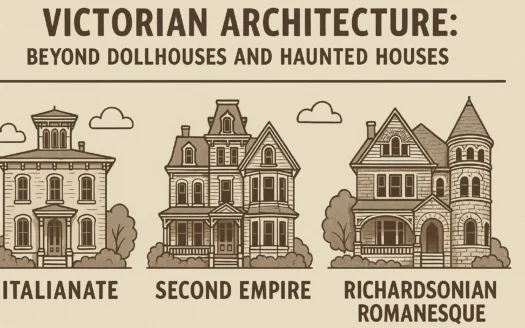
- Victorian: Steep, cross-gabled roofs with decorative details.
While gable roofs are versatile, they are more common in snowy regions and less suitable for hurricane-prone areas. Consult a builder or architect to determine if a gable roof aligns with your home’s style, location, and budget.