Gated Communities: Weighing the Pros and Cons
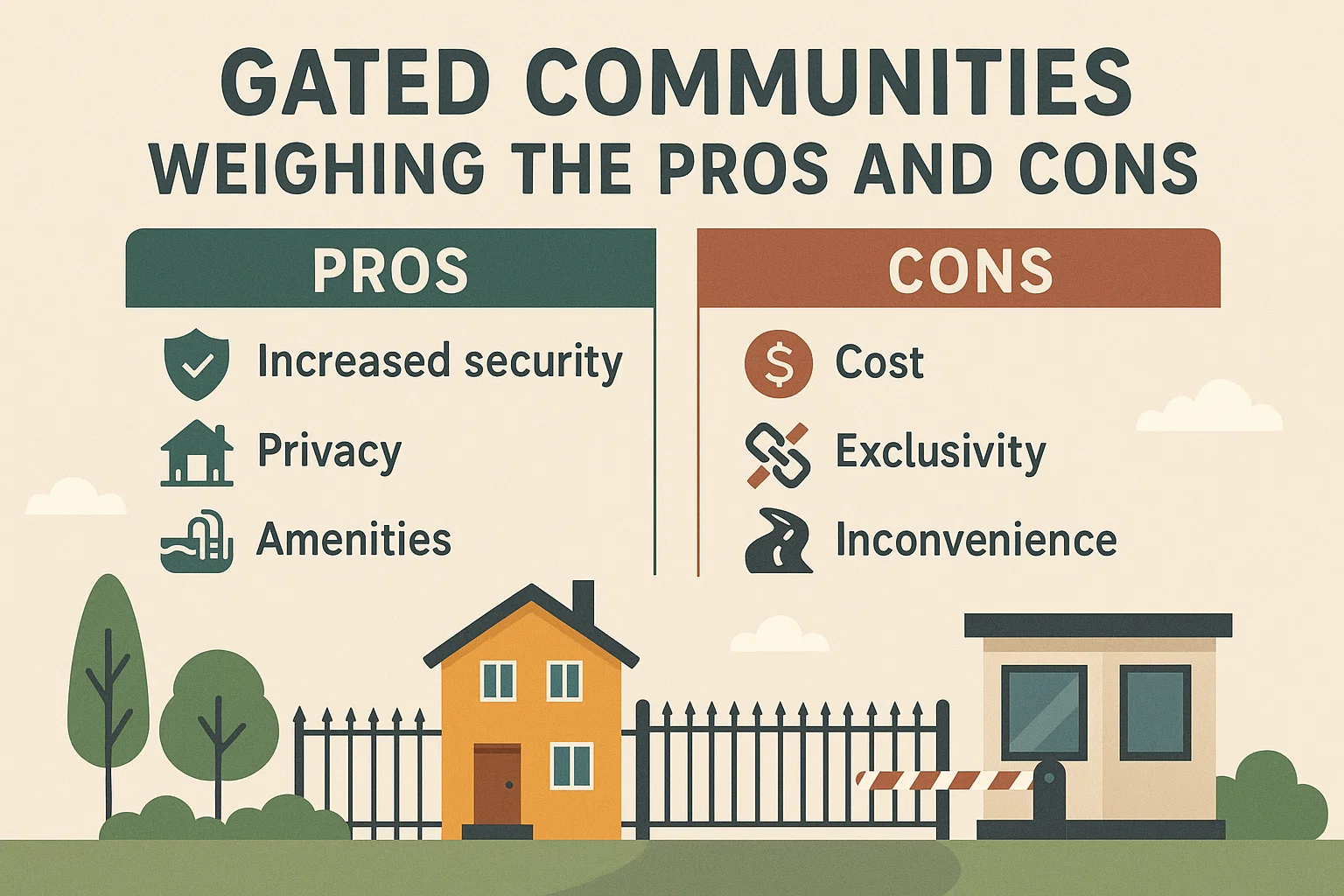
In the Movies, It Can Appear Like Only the Rich and Famous Live in Gated Communities. Fortunately, in Reality, It’s a Life Not Reserved Just for Them.
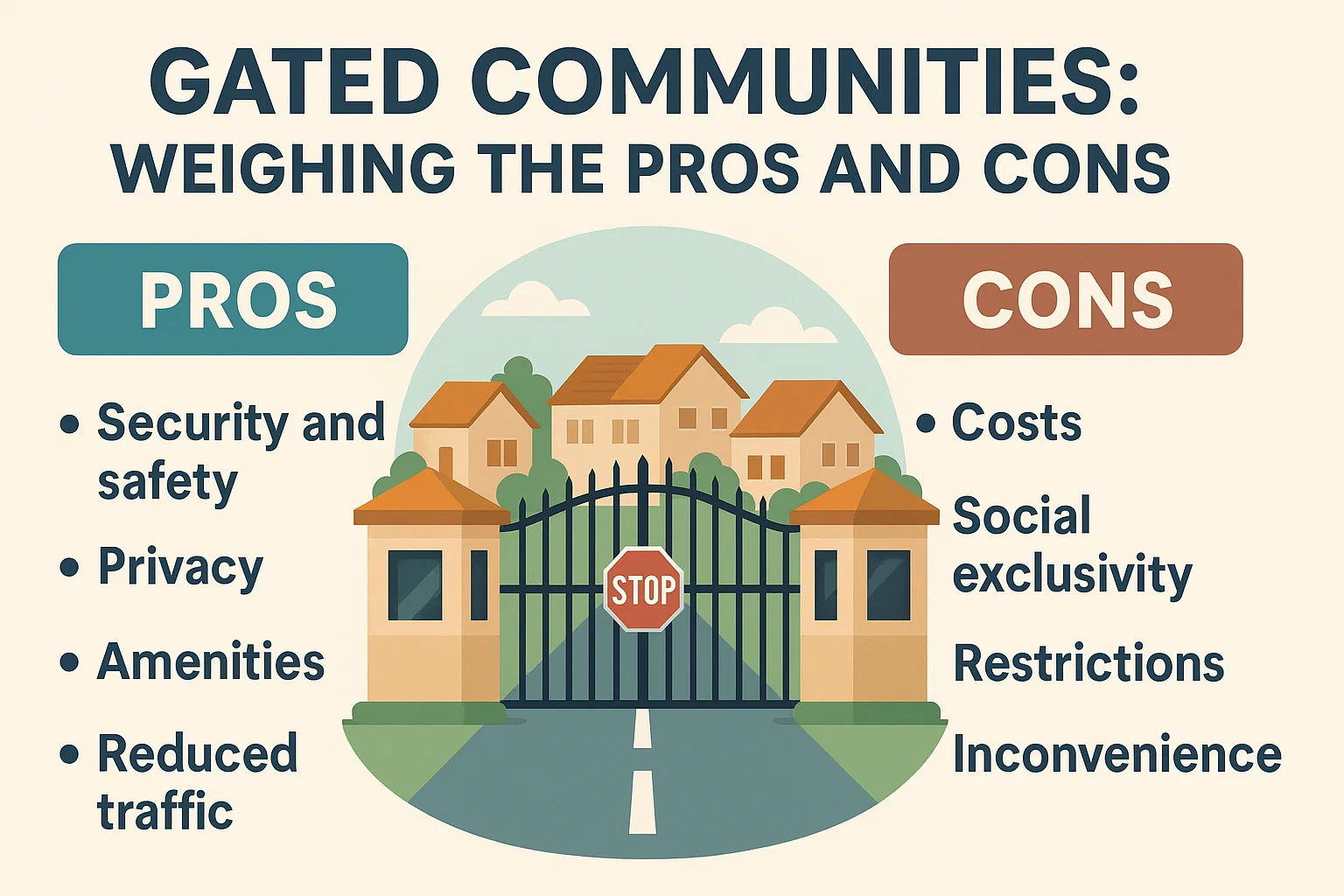
Though living behind a gate can be both rewarding and frustrating, it’s a lifestyle choice worth careful consideration. Before deciding to buy a new home in a gated neighborhood, weigh these pros and cons:
Pros
Enhanced Security
Gated communities often prioritize security through controlled access, which may include 24/7 guards, keypad entry systems, or both. This setup reduces unwanted visitors, from solicitors to potential criminals. One real estate expert likened the security to having a “doorman” who can assist with tasks like collecting packages or monitoring deliveries while residents are away. With fewer outsiders entering the community, residents typically experience a greater sense of safety and privacy.
Lack of Traffic
Restricted access means quieter streets and minimal through traffic. Families often appreciate the safer environment for children to play outdoors, free from constant vehicle noise. The absence of shortcuts for commuters also ensures neighborhoods remain peaceful.
Consistent Upkeep
Homeowners associations (HOAs) enforce design standards and maintenance rules, ensuring yards, sidewalks, and public spaces remain well-kept. Many communities use monthly dues to fund landscaping, road repairs, and seasonal services like snow removal. While uniformity appeals to some, others may find the lack of creative freedom restrictive.
Cons
Rules, Rules, Rules
HOAs often impose strict guidelines on home modifications, such as exterior paint colors, roofing materials, or solar panel installations. Residents may also face unexpected costs for community upgrades, like pool renovations or shared building repairs. As one industry professional noted, “If you want a funky door or a bold design choice, approval isn’t guaranteed.”
Parking and Visitor Woes
Hosting gatherings can be challenging due to parking restrictions. Many communities prohibit street parking overnight or limit visitor spots, potentially leading to towing risks for guests. Limited parking may also cap the number of visitors you can invite at once.
Amenities Can Actually Lower Property Value
While amenities like pools and clubhouses are attractive, studies suggest they may not boost home values. Research from the American Real Estate Society found gated community homes cost $30,000 more on average than non-gated counterparts—yet premium amenities correlated with lower valuations. Experts speculate maintenance costs for shared facilities could offset their appeal over time.
Gated or Not Gated?
Your decision hinges on lifestyle priorities. For some, security and community standards outweigh the costs and restrictions. For others, the trade-offs make non-gated neighborhoods a better fit. Consider what matters most to your family—whether it’s quiet streets and uniformity or flexibility and lower expenses—before making your choice.