Making a Resale Home Your Dream Home Takes a Lot of Work!
Making a Resale Home Your Dream Home Takes a Lot of Work!
Appearances can be deceiving. A resale home that’s been remodeled might look like a newly built home, but before you choose between a flip and genuine new construction, you should take a hard look at what you’re getting — and what you’re not. The biggest issues with flipped homes involve warranties, repairs, and the life expectancy of the home’s structural components, appliances, and other improvements.
‘Warm Fuzzies’ for Warranty
A newly built home usually comes with a builder’s warranty. What the warranty covers and for how long varies, but reputable builders typically offer protection from major problems for at least a year or two after construction. In contrast, a flipped home may lack transparency about who performed the work and whether any guarantees exist for parts, labor, or workmanship.
“If the listing says the house is ‘newly remodeled,’ you’re buying whatever they did. You can’t see behind the walls. You won’t have that warm fuzzy feeling that whoever did the work did it right,” says one construction expert.
Buyers can request documentation of renovations, but sellers aren’t obligated to provide it. A home service contract for at least one year is recommended to mitigate risks.
Remodeled Doesn’t Mean New
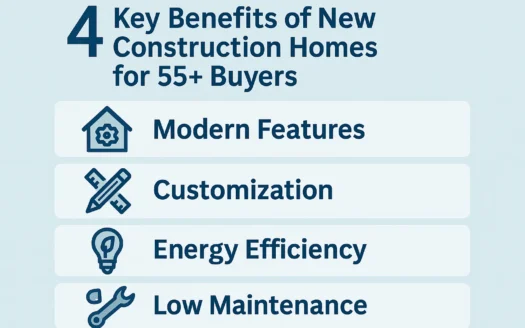
New construction homes come with brand-new appliances covered by manufacturers’ warranties, while flipped homes often include older appliances that may no longer be under warranty. Repairs or replacements can become immediate out-of-pocket expenses.
Every component of a home has a useful life expectancy. “You’re buying into the later part of that life for components that haven’t been updated. You may encounter problems sooner in a remodeled home than in a new one,” notes a building professional.
Hidden Defects, Costly Repairs
Critical systems, like sewer pipes, may remain outdated in flipped homes. While newer homes use durable PVC pipes, remodeled properties might retain aging cast iron systems. “It’s very costly to remove slabs and reinstall sewer systems,” warns a construction specialist.
Other shortcuts include installing new carpeting over old padding or using cheap materials. “Buyers need to be aware and watch out for shoddy installation,” advises a real estate expert.
Time and Money: The Hidden Costs
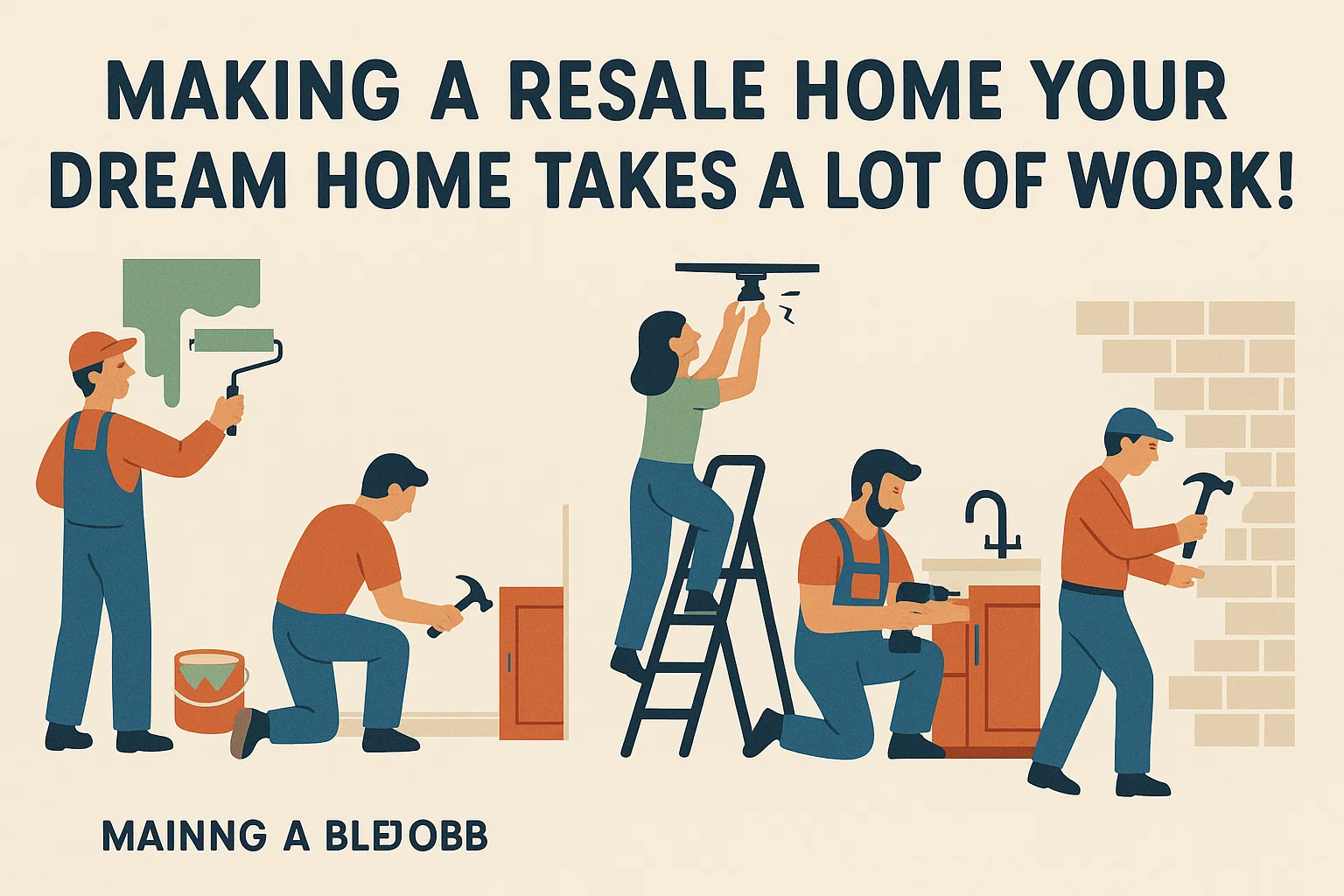
Older homes can demand constant upkeep. “A remodeled home can feel like a second job. New construction avoids the endless cycle of repairs,” says a construction executive. Budgeting for surprises is essential when buying a flip.
Design Choice and Flexibility
New construction allows customization during the building process, while flipped homes come with predetermined designs. “If you buy a flipped home, the owner has already chosen finishes and fixtures. To personalize it, you’d have to tear out their work and start over,” explains a home design expert.
The Bottom Line:
While remodeled homes can appear attractive, they carry more risks and unknowns than new construction. Buyers must weigh upfront savings against potential long-term costs and compromises.